Field note
The Power of Nettle: A Comprehensive Guide to Detoxifying Your Body
Discover the incredible benefits of stinging nettle for detoxification and overall health. Learn how to incorporate this powerful herb into your routine.
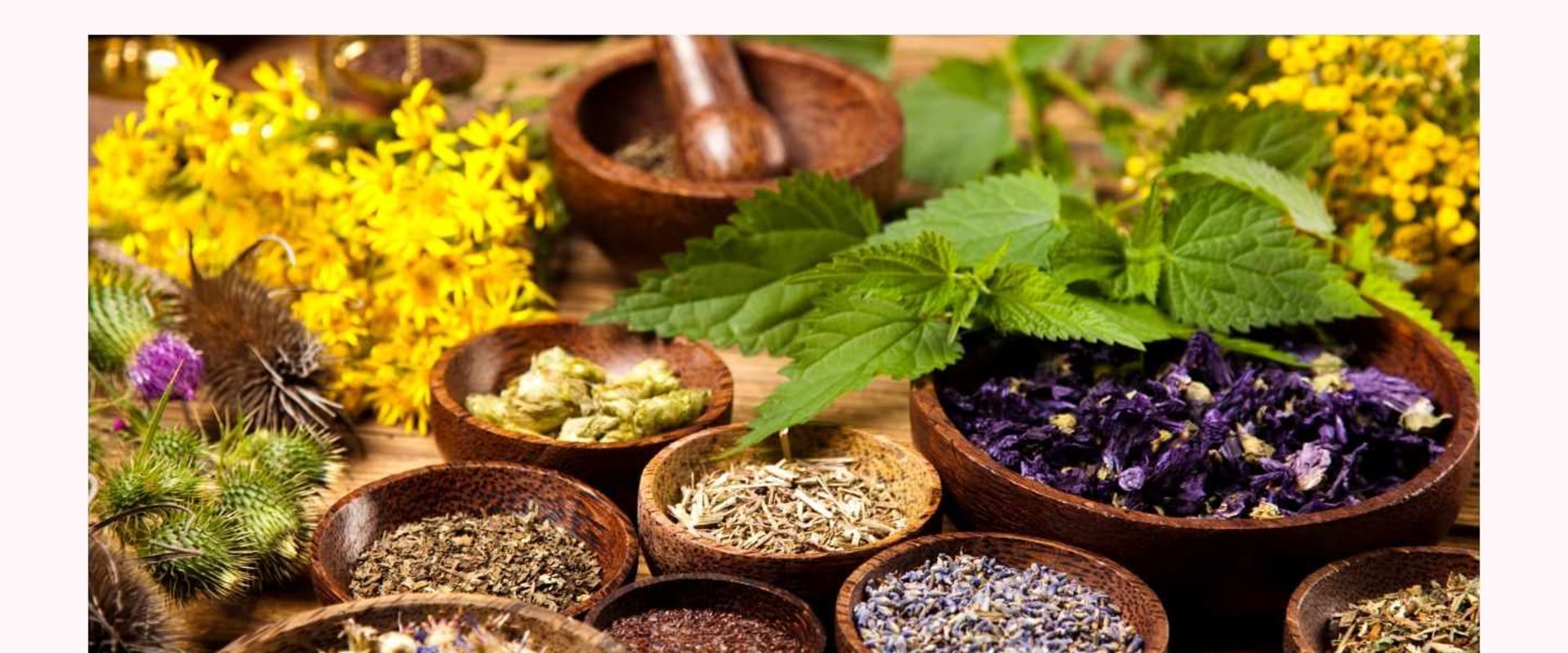
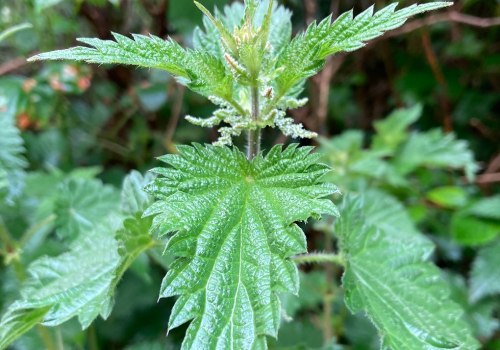
The stinging nettle, scientifically known as Urtica dioica, is a perennial plant that has captivated the attention of herbalists and health enthusiasts for centuries. Often found in temperate regions across Europe, Asia, and North America, this remarkable plant is easily recognizable by its serrated leaves and tiny, hair-like structures that can deliver a painful sting when touched. Despite its reputation for causing discomfort, the stinging nettle is revered for its numerous health benefits, making it a staple in traditional herbal medicine. Historically, nettle has been utilized for a variety of purposes, dating back to ancient civilizations. The Romans used it to treat ailments such as arthritis and respiratory issues, while Native Americans incorporated it into their healing practices.
In medieval Europe, nettle fibers were even used to create textiles, showcasing its versatility beyond medicinal applications. This rich history underscores the plant's significance in various cultures and its enduring presence in the realm of natural remedies. Today, the benefits of stinging nettle are well-documented and continue to be explored by modern science. From its ability to support detoxification processes in the body to its role in alleviating symptoms of allergies and inflammation, nettle offers a plethora of advantages that can enhance overall well-being. As we delve deeper into the world of stinging nettle, we will uncover not only its historical uses but also the scientific evidence supporting its efficacy as a powerful herbal ally.
Nutritional Profile of Stinging Nettle
Stinging nettle, often overlooked as a mere weed, boasts an impressive nutritional profile that contributes significantly to its health benefits.This remarkable plant is rich in essential vitamins, minerals, and other beneficial compounds that can enhance overall well-being.
Vitamins in Stinging Nettle
- Vitamin A: Nettle is a fantastic source of vitamin A, which is crucial for maintaining healthy vision, skin, and immune function. This vitamin also plays a vital role in cellular communication and growth.
- Vitamin C: Known for its antioxidant properties, vitamin C in nettle helps protect the body from oxidative stress. It also supports the immune system and aids in collagen production, essential for skin health.
- Vitamin K: This vitamin is important for blood clotting and bone health. Nettle contains significant amounts of vitamin K, which can help maintain strong bones and prevent fractures.
-
B Vitamins: Stinging nettle is rich in several B vitamins, including B1 (thiamine), B2 (riboflavin), B3 (niacin), B5 (pantothenic acid), and B6 (pyridoxine).
These vitamins are essential for energy metabolism and the proper functioning of the nervous system.
Minerals in Stinging Nettle
- Iron: One of the standout minerals in nettle is iron, which is vital for the production of hemoglobin. This makes nettle an excellent choice for those looking to combat anemia or boost their energy levels. One of the standout minerals in nettle is iron, which is vital for the production of hemoglobin. This makes nettle an excellent choice for those looking to combat anemia or boost their energy levels.
- Calcium: Nettle provides a good source of calcium, essential for maintaining strong bones and teeth. It also plays a role in muscle function and nerve signaling.
- Magnesium: This mineral is crucial for over 300 biochemical reactions in the body, including muscle and nerve function, blood sugar control, and blood pressure regulation. Nettle's magnesium content can help support these vital processes.
-
Potassium: Important for heart health, potassium helps regulate blood pressure and fluid balance in the body.
Nettle's potassium content can contribute to cardiovascular health.
Detoxification Properties of Nettle
Stinging nettle, scientifically known as Urtica dioica, is not just a common weed; it is a powerhouse of health benefits, particularly when it comes to detoxification. The detox benefits of stinging nettle are rooted in its ability to support the body's natural processes for eliminating toxins and purifying the blood. One of the primary ways that nettle aids in detoxification is through its diuretic properties.By promoting increased urine production, nettle helps flush out waste products and excess fluids from the body. This process not only assists in detoxifying the kidneys but also supports overall urinary tract health. Regular consumption of nettle can lead to improved kidney function, which is essential for filtering toxins from the bloodstream. Moreover, nettle is rich in antioxidants, which play a crucial role in combating oxidative stress. Oxidative stress occurs when there is an imbalance between free radicals and antioxidants in the body, leading to cellular damage.
The antioxidants found in nettle help neutralize these free radicals, thereby protecting cells from damage and supporting the body's detoxification pathways. Another significant aspect of how nettle detoxifies the body lies in its ability to enhance liver function. The liver is a vital organ responsible for metabolizing and eliminating toxins. Nettle contains compounds that stimulate liver activity, promoting bile production and improving digestion. This enhanced liver function aids in breaking down harmful substances and facilitates their excretion from the body. In addition to its effects on the kidneys and liver, nettle also contributes to blood purification.
The plant's high levels of vitamins A and C, along with iron and other minerals, support healthy blood circulation and improve overall blood quality. By enhancing blood flow, nettle helps deliver essential nutrients to cells while simultaneously removing waste products more efficiently. To incorporate nettle into your detox regimen, consider consuming it as a tea, tincture, or supplement. Each form offers unique benefits, allowing you to choose what best fits your lifestyle. However, it’s important to consult with a healthcare professional before starting any new herbal regimen, especially if you have existing health conditions or are taking medications. In summary, the detoxification properties of stinging nettle are multifaceted.
From promoting kidney health through diuresis to enhancing liver function and purifying the blood, this remarkable herb offers a natural way to support your body's detox processes effectively.
Health Benefits of Stinging Nettle
Stinging nettle, scientifically known as Urtica dioica, is a remarkable herb that has been utilized for centuries due to its extensive health benefits. This plant is not only a common sight in gardens and fields but also a powerhouse of nutrients and medicinal properties that can significantly enhance overall well-being. One of the most notable health benefits of stinging nettle is its potent anti-inflammatory properties. Research has shown that nettle can help alleviate symptoms associated with inflammatory conditions such as arthritis and other joint disorders. The compounds found in nettle, including flavonoids and phenolic acids, work to reduce inflammation by inhibiting the production of inflammatory mediators in the body.This makes it an excellent natural remedy for those suffering from chronic pain or swelling. In addition to its anti-inflammatory effects, stinging nettle is also known for its ability to support the immune system. The herb is rich in vitamins A, C, and K, as well as several B vitamins, which are essential for maintaining a robust immune response. Furthermore, nettle contains minerals like iron and zinc that play crucial roles in immune function. Regular consumption of nettle can help fortify the body's defenses against infections and illnesses. Stinging nettle has also been traditionally used to treat various specific conditions:
- Allergies: Nettle may help alleviate symptoms of hay fever and other allergic reactions by acting as a natural antihistamine.
- Urinary Health: Nettle is often used to support urinary tract health and may help relieve symptoms of benign prostatic hyperplasia (BPH) in men.
- Skin Conditions: Due to its anti-inflammatory properties, nettle can be beneficial for skin issues such as eczema and acne.
Its rich nutrient profile makes it an excellent addition to a balanced diet, promoting overall health and vitality. Whether consumed as a tea, tincture, or supplement, incorporating stinging nettle into your wellness routine can provide numerous benefits. In conclusion, the medicinal uses of nettle are vast and varied. From its ability to combat inflammation to its role in supporting immune health, stinging nettle stands out as a valuable herb worth considering for anyone looking to enhance their health naturally.
How to Incorporate Nettle into Your Diet
Incorporating stinging nettle into your diet can be both enjoyable and beneficial for your health. This versatile herb can be used in various forms, from fresh leaves to dried supplements.Here are some practical ways to add nettle to your meals safely and deliciously.
Fresh Nettle Preparation
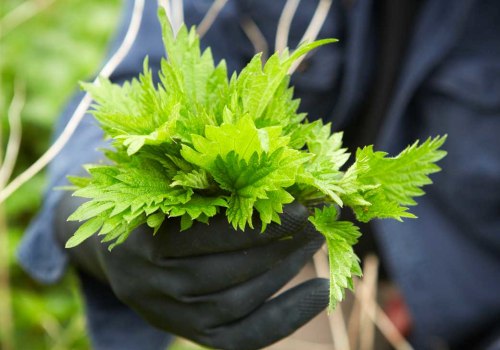
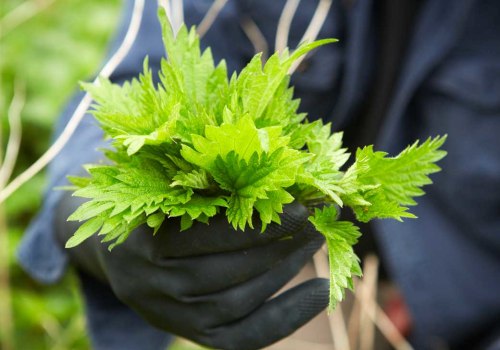
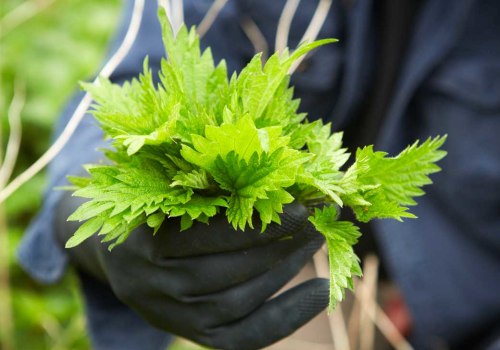
When using fresh nettle, it’s essential to handle it with care due to its stinging hairs. Here’s how to prepare it:- Harvesting: Wear gloves when picking fresh nettle leaves. Choose young leaves from the top of the plant, as they are more tender and flavorful.
- Washing: Rinse the leaves thoroughly under cold water to remove any dirt or insects.
- Cooking: Cooking nettle is crucial as it neutralizes the stinging effect. You can blanch the leaves in boiling water for 1-2 minutes or sauté them in a pan with a little olive oil.
Delicious Recipes with Nettle
Here are a few simple recipes that highlight the unique flavor of nettle:-
Nettle Soup: Sauté onions and garlic in olive oil, add blanched nettle leaves, vegetable broth, and seasonings.
Simmer for 20 minutes, then blend until smooth for a nutritious soup.
- Nettle Pesto: Blend blanched nettles with garlic, nuts (like pine nuts or walnuts), Parmesan cheese, and olive oil for a vibrant twist on traditional pesto. Use it on pasta or as a spread.
- Nettle Tea: Steep dried nettle leaves in hot water for 5-10 minutes. This herbal tea is not only refreshing but also packed with nutrients.
Consuming Nettle Safely
While nettle is generally safe for most people, there are some precautions to consider:- Consultation: If you are pregnant, breastfeeding, or have existing health conditions, consult your healthcare provider before adding nettle to your diet.
- Dosing: Start with small amounts to see how your body reacts. Gradually increase your intake as you become accustomed to it.
- Avoid Allergies: If you have allergies to plants in the Urticaceae family (like mulberry or hibiscus), exercise caution when consuming nettle.
Potential Side Effects and Precautions
While the benefits of stinging nettle are numerous, it is essential to be aware of potential side effects and precautions associated with its use.Understanding these factors can help ensure a safe and effective experience when incorporating nettle into your health regimen.
Potential Side Effects of Stinging Nettle
Stinging nettle is generally considered safe for most people when used appropriately. However, some individuals may experience side effects, particularly if they consume it in large quantities or are sensitive to its compounds. Common side effects include:- Gastrointestinal Issues: Some users report mild digestive discomfort, including nausea, diarrhea, or stomach cramps. These symptoms are often temporary and may subside as the body adjusts to the herb.
-
Allergic Reactions: Although rare, some individuals may have an allergic reaction to nettle.
Symptoms can include skin rashes, itching, or respiratory issues. If you experience any of these symptoms after consuming nettle, discontinue use and consult a healthcare professional.
- Skin Irritation: Fresh nettle leaves contain tiny hairs that can cause skin irritation upon contact. It is advisable to wear gloves when handling fresh nettle to avoid stings.
Precautions with Nettle Use
Before adding stinging nettle to your health routine, consider the following precautions:- Consult Your Doctor: Always consult with a healthcare provider before starting any new supplement, especially if you have pre-existing health conditions or are taking medications.
- Pregnancy and Breastfeeding: Pregnant or breastfeeding women should avoid using stinging nettle due to insufficient research on its safety during these periods.
- Blood Thinners: Nettle may interact with anticoagulant medications, potentially increasing the risk of bleeding. If you are on blood thinners, discuss nettle use with your doctor.
- Diabetes Medications: Since nettle can lower blood sugar levels, those taking diabetes medications should monitor their blood sugar closely and consult their healthcare provider before using nettle.
Who Should Avoid Nettle?
Certain individuals should exercise caution or avoid stinging nettle altogether:- People with known allergies to plants in the Urticaceae family (which includes nettles) should avoid this herb.
- Individuals with kidney disorders should consult their doctor before using nettle, as it may affect kidney function.
- If you are scheduled for surgery, it is advisable to stop using nettle at least two weeks prior due to its potential effects on blood clotting.
Always prioritize your health by consulting with a healthcare professional before making any significant changes to your wellness routine.
Frequently Asked Questions about Stinging Nettle
Stinging nettle, often regarded as a nuisance weed, has garnered attention for its numerous health benefits. However, many people still have questions and misconceptions about this remarkable plant. Below, we address some of the most frequently asked questions regarding stinging nettle.What is stinging nettle?
Stinging nettle (Urtica dioica) is a perennial plant known for its serrated leaves and tiny, stinging hairs that can cause skin irritation upon contact. Despite its prickly reputation, nettle has been used for centuries in traditional medicine and culinary applications due to its rich nutrient profile.What are the health benefits of stinging nettle?
- Detoxification: Nettle is renowned for its ability to support the body’s natural detoxification processes by promoting kidney function and flushing out toxins.
- Anti-inflammatory properties: The plant contains compounds that may help reduce inflammation, making it beneficial for conditions like arthritis.
- Nutrient-rich: Stinging nettle is packed with vitamins A, C, K, and several B vitamins, along with minerals such as iron, calcium, and magnesium.
- Allergy relief: Some studies suggest that nettle may alleviate symptoms of hay fever by acting as a natural antihistamine.
Is stinging nettle safe to consume?
When prepared correctly—such as by cooking or drying—stinging nettle is generally safe for consumption.Cooking neutralizes the stinging properties of the plant. However, it’s advisable to consult with a healthcare professional before adding it to your diet, especially if you are pregnant, nursing, or taking medications.
Are there any myths about stinging nettle?
- Myth 1: Stinging nettle is only a weed. Fact: While it can grow wild in many areas, its health benefits make it a valuable herb.
- Myth 2: Nettle causes severe allergic reactions. Fact: Most people can consume it safely when prepared properly.
-
Myth 3: Nettle has no nutritional value.
Fact: Nettle is highly nutritious and has been used in various cultures as a food source.
Conclusion: Embracing the Power of Nettle for Detoxification and Health
In conclusion, the remarkable benefits of stinging nettle extend far beyond its reputation as a mere weed. This powerful herb has been utilized for centuries in various cultures for its detoxifying properties and overall health benefits. As we have explored throughout this guide, nettle is not only effective in purifying the blood and eliminating toxins but also plays a significant role in enhancing the immune system and addressing a variety of health conditions. One of the standout features of nettle is its rich nutritional profile. Packed with essential vitamins and minerals such as iron, calcium, magnesium, and vitamins A and C, it serves as a natural supplement that can help combat deficiencies and promote overall well-being.The presence of antioxidants further supports its role in fighting inflammation and oxidative stress, making it a valuable ally in maintaining health. Moreover, the versatility of nettle allows it to be consumed in various forms—whether as a tea, tincture, or supplement—making it accessible for anyone looking to incorporate its benefits into their daily routine. However, it is crucial to approach its use with care. Consulting with a healthcare professional before starting any new herbal regimen is essential, especially for those with existing health conditions or those who are pregnant or breastfeeding. As you consider adding stinging nettle to your health arsenal, remember that its detoxifying effects can be particularly beneficial during times of stress or after periods of indulgence. By embracing this ancient herb, you are not only investing in your health but also connecting with a long-standing tradition of natural healing. In summary, the power of nettle lies in its ability to support detoxification and enhance overall health.
By understanding how to utilize this potent herb effectively, you can harness its full potential and pave the way for a healthier lifestyle.