Field note
Unlocking the Surprising Health Benefits of Stinging Nettles
Discover the surprising health benefits of stinging nettles, from anti-inflammatory properties to skin health and allergy relief.
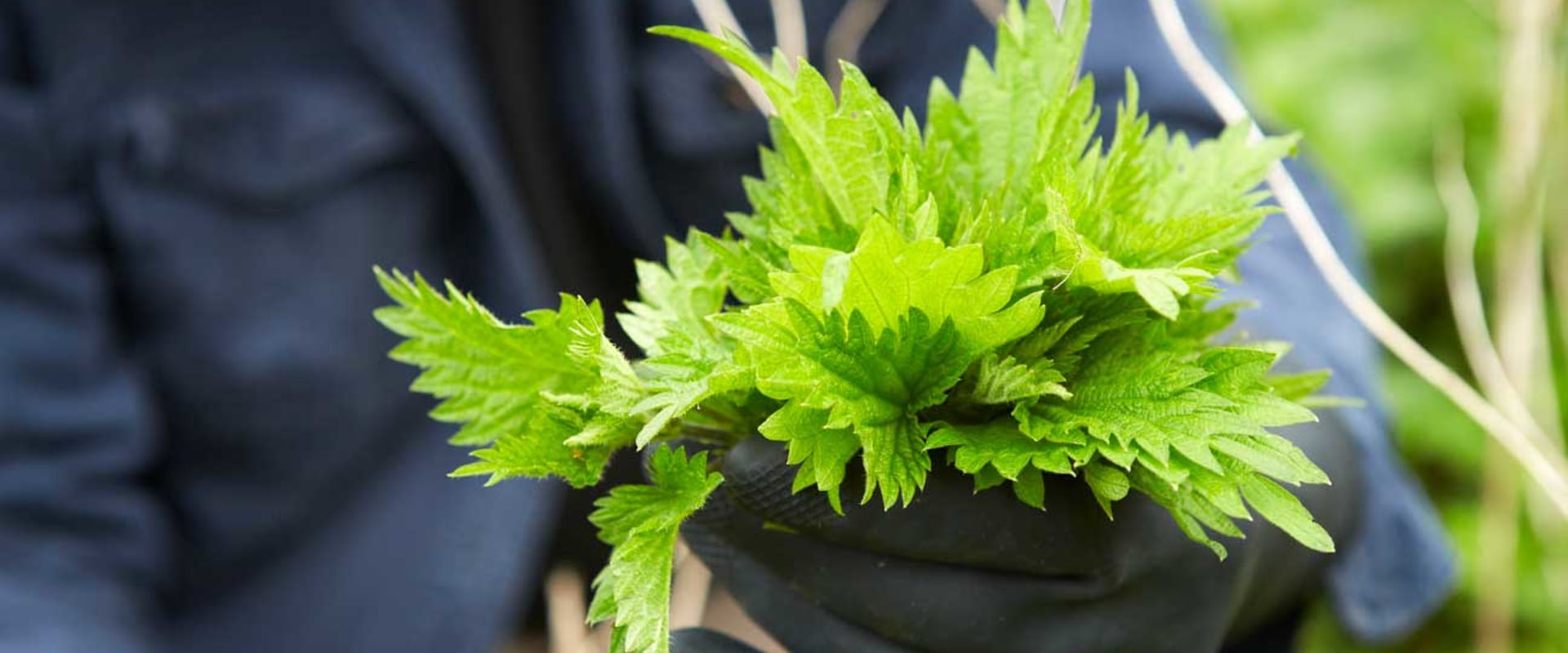
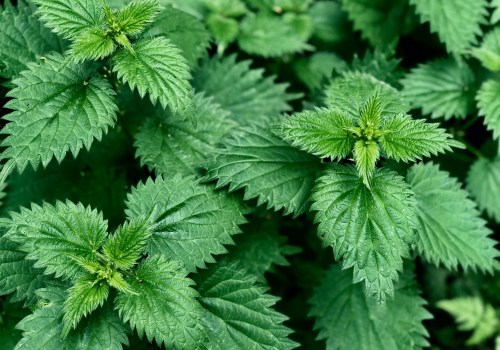
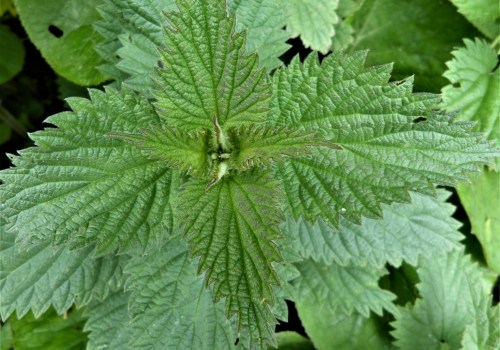
Stinging nettles, scientifically known as Urtica dioica, are often regarded as a pesky weed due to their sharp, stinging hairs that can cause discomfort upon contact. However, this unassuming plant has a rich history in herbal medicine, dating back thousands of years. Ancient civilizations, including the Greeks and Romans, recognized the potential of stinging nettles for their medicinal properties, using them to treat a variety of ailments ranging from arthritis to respiratory issues. Today, modern research is beginning to validate many of these traditional uses, shedding light on the numerous health benefits of stinging nettles . What makes stinging nettles particularly fascinating is their impressive nutritional profile.
Packed with vitamins A, C, K, and several B vitamins, as well as essential minerals like iron, calcium, magnesium, and potassium, nettles are a powerhouse of nutrients. These components contribute not only to overall health but also to specific therapeutic effects. For instance, the high levels of antioxidants found in nettles can help combat oxidative stress in the body, potentially reducing the risk of chronic diseases. As we delve deeper into the stinging nettle benefits , it becomes clear that this plant is more than just a nuisance in gardens and fields. From its anti-inflammatory properties that may alleviate symptoms of arthritis to its potential role in managing allergies and supporting skin health, stinging nettles offer a wide array of advantages that are worth exploring.
In this article, we will uncover the various ways in which stinging nettles can enhance your well-being and why they deserve a place in your health regimen.
Nutritional Profile of Stinging Nettles
Stinging nettles, often overlooked due to their prickly nature, are a powerhouse of nutrition. Their rich nutritional profile makes them a valuable addition to any diet, offering a variety of vitamins, minerals, and beneficial compounds that contribute to overall health.Vitamins in Stinging Nettles
- Vitamin A: Essential for maintaining healthy vision, skin, and immune function, stinging nettles are an excellent source of vitamin A in the form of beta-carotene.
- Vitamin C: This powerful antioxidant helps protect the body from oxidative stress and supports the immune system. Stinging nettles contain significant amounts of vitamin C, which can aid in collagen production and enhance skin health.
- Vitamin K: Important for blood clotting and bone health, vitamin K is abundant in stinging nettles. This vitamin plays a crucial role in calcium metabolism and may help prevent osteoporosis.
-
B Vitamins: Stinging nettles are rich in several B vitamins, including B1 (thiamine), B2 (riboflavin), B3 (niacin), B5 (pantothenic acid), and B6 (pyridoxine).
These vitamins are vital for energy production, brain function, and the synthesis of neurotransmitters.
Minerals Found in Stinging Nettles
- Iron: Stinging nettles are particularly high in iron, which is essential for the formation of red blood cells and the transportation of oxygen throughout the body. This makes them an excellent food choice for those at risk of anemia.
- Calcium: Important for bone health and muscle function, calcium is another mineral found in abundance in stinging nettles. Regular consumption can help maintain strong bones and teeth.
- Magnesium: This mineral plays a role in over 300 biochemical reactions in the body, including energy production and muscle contraction. Stinging nettles provide a good source of magnesium, which can help reduce muscle cramps and improve overall muscle function.
-
Zinc: Vital for immune function, wound healing, and DNA synthesis, zinc is present in stinging nettles.
Adequate zinc intake can support overall health and well-being.
Other Beneficial Compounds
In addition to vitamins and minerals, stinging nettles contain various phytonutrients such as flavonoids and carotenoids that possess antioxidant properties. These compounds help combat inflammation and may reduce the risk of chronic diseases. The combination of these nutrients not only highlights the nutritional benefits of stinging nettles, but also underscores their potential role as a natural remedy for various health issues. Incorporating stinging nettles into your diet can be as simple as adding them to soups, teas, or smoothies, allowing you to harness their remarkable health benefits while enjoying their unique flavor.
Anti-Inflammatory Properties
Stinging nettles, often overlooked due to their prickly nature, possess remarkable anti-inflammatory benefits that can significantly improve health, particularly for those suffering from chronic conditions like arthritis. The plant contains a variety of bioactive compounds, including flavonoids and phenolic acids, which are known for their ability to combat inflammation in the body. Research has shown that stinging nettles can help alleviate symptoms associated with inflammatory diseases.For instance, a study published in the Journal of Rheumatology highlighted the effectiveness of nettle extracts in reducing inflammation markers in patients with rheumatoid arthritis. This autoimmune condition is characterized by painful swelling and stiffness in the joints, making effective management crucial for maintaining quality of life. One of the key mechanisms through which stinging nettles exert their anti-inflammatory effects is by inhibiting the production of pro-inflammatory cytokines. These are signaling molecules that play a significant role in the inflammatory response. By reducing their levels, nettles can help mitigate the pain and discomfort associated with conditions like arthritis. In addition to its direct effects on inflammation, stinging nettle also supports overall joint health.
The plant is rich in essential nutrients such as vitamins A, C, K, and minerals like calcium and magnesium, which are vital for maintaining strong bones and connective tissues. This nutrient profile not only aids in reducing inflammation but also promotes healing and recovery in affected areas. For those considering incorporating stinging nettles into their health regimen for arthritis relief, there are several options available:
- Nettle Tea: Brewing dried nettle leaves into a tea is a popular method. This allows for easy consumption while reaping the anti-inflammatory benefits.
- Capsules or Tablets: For those who prefer a more concentrated form, nettle supplements are widely available and can be taken as directed.
- Topical Applications: Nettle extracts can also be found in creams or ointments designed to be applied directly to inflamed joints.
By harnessing the power of this remarkable plant, individuals may find relief from pain and improved joint function, paving the way for a more active and fulfilling life.
Support for Allergies and Respiratory Health
As allergy season approaches, many individuals find themselves seeking effective and natural remedies to alleviate their symptoms. One such remedy that has gained attention is As allergy season approaches, many individuals find themselves seeking effective and natural remedies to alleviate their symptoms. One such remedy that has gained attention is stinging nettle. This remarkable plant has been traditionally used for its potential to provide relief from various allergic reactions, particularly those affecting the respiratory system. Stinging nettle contains a variety of compounds that may help combat the symptoms associated with seasonal allergies. Among these compounds are antihistamines , which can reduce the body's histamine response to allergens.Histamines are chemicals released during an allergic reaction that contribute to symptoms such as sneezing, itching, and nasal congestion. By inhibiting histamine production, stinging nettle may help alleviate these uncomfortable symptoms. Research has shown that stinging nettle can be particularly beneficial for individuals suffering from hay fever, also known as allergic rhinitis. A study published in the journal Planta Medica found that participants who took stinging nettle extract experienced a significant reduction in their allergy symptoms compared to those who received a placebo. This suggests that incorporating stinging nettle into your routine during allergy season could provide much-needed relief. In addition to its antihistamine properties, stinging nettle is rich in vitamins and minerals that support overall respiratory health.
For instance, it contains vitamin C, which is known for its immune-boosting properties and can help strengthen the body's defenses against allergens. Furthermore, the anti-inflammatory properties of stinging nettle may assist in reducing inflammation in the airways, making it easier to breathe during allergy flare-ups. There are several ways to incorporate stinging nettle into your diet or wellness routine:
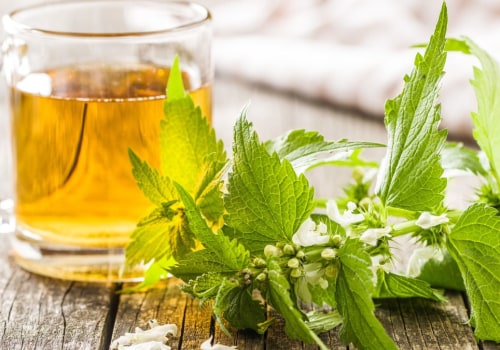
- Nettle Tea: Brewing dried stinging nettle leaves into a tea is a popular method of consumption. This soothing beverage can be enjoyed hot or cold and provides a gentle way to experience its benefits.
- Capsules or Tablets: For those who prefer a more concentrated form, stinging nettle supplements are available in capsule or tablet form, making it easy to incorporate into your daily regimen.
- Tinctures: Liquid extracts of stinging nettle can be taken directly or added to water or juice for a quick and effective way to harness its benefits.
With its antihistamine properties and rich nutrient profile, this plant may hold the key to a more comfortable allergy season.
Skin Health Benefits
Stinging nettles, often overlooked due to their prickly nature, are a powerhouse of nutrients and compounds that can significantly enhance skin health. Their rich composition includes vitamins A, C, K, and several B vitamins, along with essential minerals like iron, calcium, and magnesium. These elements work synergistically to promote healthy skin and combat various skin conditions. One of the most notable stinging nettle skin benefits is its ability to treat acne. Acne is often caused by excess oil production, bacteria, and inflammation.Stinging nettles possess potent anti-inflammatory properties that can help reduce redness and swelling associated with acne outbreaks. Additionally, their antibacterial qualities can combat the bacteria that contribute to acne formation.
Acne Treatment with Stinging Nettles
Using stinging nettles for acne treatment can be done in several ways:- Nettle Tea: Drinking nettle tea can help detoxify the body and reduce inflammation from within. This internal approach may lead to clearer skin over time.
- Topical Applications: Nettle extracts can be found in various skincare products or made at home. Applying a diluted nettle extract directly to affected areas may help soothe irritation and reduce breakouts.
- Face Masks: Incorporating dried nettle powder into homemade face masks can provide a natural exfoliating effect while delivering nutrients directly to the skin.
Their anti-inflammatory effects can assist in alleviating conditions such as eczema and psoriasis. By reducing inflammation and promoting skin regeneration, nettles can help restore the skin's natural barrier function. Moreover, the antioxidants present in stinging nettles play a crucial role in protecting the skin from oxidative stress caused by environmental factors like pollution and UV radiation. This protection helps prevent premature aging signs such as wrinkles and fine lines. In conclusion, stinging nettles are not just a nuisance in gardens; they are a valuable ally in achieving healthy skin. Whether consumed as tea or applied topically, their numerous benefits make them an excellent addition to any natural skincare regimen.
Bone Health and Nutrient Absorption
Stinging nettles are not only known for their stinging sensation but also for their remarkable contributions to bone health and nutrient absorption.This plant is a powerhouse of essential minerals that play a crucial role in maintaining strong bones and enhancing the body's ability to absorb vital nutrients. One of the standout features of stinging nettles is their high calcium content. Calcium is a fundamental mineral for bone density and strength, making it essential for individuals concerned about conditions like osteoporosis. A diet rich in calcium can help prevent bone loss and reduce the risk of fractures as we age. Stinging nettles provide a natural source of calcium that can be easily incorporated into various diets, especially for those who may not consume dairy products. In addition to calcium, stinging nettles are rich in other minerals such as magnesium, potassium, and phosphorus.
Each of these minerals plays a significant role in bone health:
- Magnesium: This mineral aids in the conversion of vitamin D into its active form, which is crucial for calcium absorption. It also helps regulate calcium levels in the bones.
- Potassium: Potassium helps neutralize acids that can leach calcium from bones, thus supporting overall bone integrity.
- Phosphorus: Phosphorus works closely with calcium to build strong bones and teeth, making it another vital component of bone health.
Meanwhile, vitamin K plays a critical role in bone metabolism and helps regulate calcium levels within the bones. Moreover, stinging nettles contain compounds that may improve gut health, leading to better nutrient absorption overall. A healthy gut lining allows for more efficient uptake of minerals and vitamins from food, which is particularly beneficial for those looking to enhance their dietary intake. Incorporating stinging nettles into your diet can be done through various methods such as teas, soups, or even as a cooked green similar to spinach. However, it’s important to ensure that they are properly prepared to avoid the stinging sensation associated with raw leaves. In summary, stinging nettles offer significant bone health benefits through their rich mineral content and ability to enhance nutrient absorption. For those concerned about maintaining strong bones or improving their overall nutritional intake, adding stinging nettles to your diet could be a valuable step towards better health.
Potential Benefits for Diabetes Management
Managing diabetes effectively is a growing concern for many individuals, and the search for natural remedies has led to increased interest in the benefits of stinging nettles.This remarkable plant, often overlooked due to its stinging properties, may offer significant advantages for those looking to control their blood sugar levels. Research suggests that stinging nettles can play a role in blood sugar control. The leaves of the nettle plant contain compounds that may help regulate glucose levels in the bloodstream. For instance, studies have indicated that nettle extracts can enhance insulin sensitivity, which is crucial for individuals with type 2 diabetes. By improving how the body responds to insulin, nettles may help lower blood sugar spikes after meals. Moreover, stinging nettles are rich in nutrients that support overall health, which is particularly beneficial for those managing diabetes.
They are packed with vitamins A, C, K, and several B vitamins, along with essential minerals like magnesium and potassium. These nutrients not only contribute to better metabolic function but also help combat oxidative stress—a common issue in diabetic patients. In addition to their potential blood sugar-lowering effects, stinging nettles may also assist in reducing inflammation. Chronic inflammation is often linked to insulin resistance and can exacerbate diabetes complications. The anti-inflammatory properties of nettles can help mitigate these risks, promoting better health outcomes. For those interested in incorporating stinging nettles into their diet, there are several options available:
-
Nettle Tea: Brewing dried nettle leaves into a tea is a popular method.
This allows for easy consumption while reaping the benefits of its active compounds.
- Supplements: Nettle capsules or extracts are available for those who prefer a more concentrated form.
- Culinary Uses: Cooked nettle leaves can be added to soups, stews, or smoothies, providing a nutritious boost to meals.
How to Use Stinging Nettles Safely
Stinging nettles, while known for their painful sting, can be a valuable addition to your diet when prepared correctly.To enjoy the health benefits of stinging nettles without the discomfort, it’s essential to understand how to handle and prepare them safely.
Harvesting Stinging Nettles
- When foraging for stinging nettles, wear gloves and long sleeves to protect your skin from their stinging hairs.
- Choose young leaves, as they are more tender and flavorful. The best time to harvest is in the spring when the plants are still small.
- Use scissors or garden shears to cut the tops of the plants, leaving some behind for regrowth.
Preparing Stinging Nettles
Once you have harvested your stinging nettles, follow these steps to prepare them:
- Wash Thoroughly: Rinse the nettles under cold water to remove any dirt or insects. This step is crucial for ensuring that your final dish is clean and safe to eat.
- Blanching: To neutralize the sting, blanch the nettles in boiling water for 1-2 minutes. This process will also enhance their vibrant green color and make them easier to handle.
-
Cooling: After blanching, immediately transfer the nettles to a bowl of ice water.
This will stop the cooking process and help retain their nutrients.
- Cooking: Once cooled, you can chop the nettles and add them to soups, stews, or stir-fries. They can also be blended into smoothies or made into pesto for a nutritious twist.
Safe Consumption Tips
- Avoid Raw Consumption: Never eat raw stinging nettles as they can cause irritation. Always ensure they are cooked or dried before consumption.
- Consult a Healthcare Professional: If you are pregnant, nursing, or have existing health conditions, consult with a healthcare provider before adding stinging nettles to your diet.
- Start Small: If you’re new to stinging nettles, begin with small amounts to see how your body reacts before incorporating them into your regular diet.
FAQs About Stinging Nettles
Stinging nettles, often viewed with caution due to their prickly nature, have sparked numerous questions and misconceptions. Below, we address some of the most frequently asked questions regarding the benefits of stinging nettles and clarify common myths surrounding this remarkable plant.What are the health benefits of stinging nettles?
Stinging nettles are packed with nutrients and have been linked to various health benefits, including:- Anti-inflammatory properties: They may help reduce inflammation, making them beneficial for conditions like arthritis.
- Rich in vitamins and minerals: Nettles are a great source of vitamins A, C, K, and several B vitamins, along with minerals such as iron, calcium, magnesium, and potassium.
- Allergy relief: Some studies suggest that nettles can alleviate symptoms of hay fever by acting as a natural antihistamine.
- Support for urinary health: They may aid in treating urinary tract infections and support prostate health in men.
Are there any side effects associated with stinging nettles?
While stinging nettles offer many benefits, they can also cause side effects if not used properly.Some potential side effects include:
- Skin irritation: The plant's tiny hairs can cause a stinging sensation upon contact with skin.
- Digestive issues: Consuming large amounts may lead to stomach upset or diarrhea.
- Interactions with medications: Nettles may interact with blood thinners or medications for diabetes. Always consult a healthcare professional before starting any new herbal treatment.
Can you consume stinging nettles raw?
No, it is not advisable to consume raw stinging nettles due to their stinging hairs. Cooking or drying the leaves neutralizes these hairs, making them safe to eat. Common methods of preparation include:- Tea: Steeping dried leaves in hot water creates a nutritious herbal tea.
- Soups and stews: Adding cooked nettles to soups enhances flavor and nutrition.
Are there any myths about stinging nettles?
Several myths surround stinging nettles that can lead to misunderstandings:- Nettles are only a weed: While often considered a nuisance, they are highly nutritious and have been used in traditional medicine for centuries.
- Nettles cause allergic reactions: The plant itself does not cause allergies; rather, it can help alleviate allergy symptoms for some individuals.
Always approach new herbal remedies with caution and seek professional advice when necessary.
Conclusion: Embracing the Power of Stinging Nettles
In conclusion, the myriad health benefits of stinging nettles make this often-overlooked plant a valuable addition to any health regimen. From its rich nutritional profile to its potent medicinal properties, stinging nettles have been utilized for centuries in traditional medicine, and modern research continues to unveil their remarkable potential. Throughout this article, we have explored various aspects of stinging nettles, including:- Nutritional Value: Stinging nettles are packed with essential vitamins and minerals such as iron, calcium, magnesium, and vitamins A and C, which contribute to overall health and well-being.
- Anti-inflammatory Properties: The plant's ability to reduce inflammation can be particularly beneficial for those suffering from conditions like arthritis and other autoimmune diseases.
- Skin Health: With its antibacterial and anti-inflammatory properties, nettle can help treat skin issues such as acne and eczema.
- Allergy Relief: Stinging nettles may provide relief from seasonal allergies by acting as a natural antihistamine.
- Blood Sugar Control: Emerging studies suggest that nettles may help regulate blood sugar levels, making them a potential ally for those managing diabetes.
Share this knowledge with friends and family who may benefit from the surprising advantages of this remarkable plant. Together, we can promote a healthier lifestyle through the incorporation of nature's gifts into our daily lives.