Field note
The Truth About Stinging Nettle: Separating Fact from Fiction on Its Benefits
Discover the truth about stinging nettle benefits, its uses in herbal medicine, and how it can enhance your health and wellness.
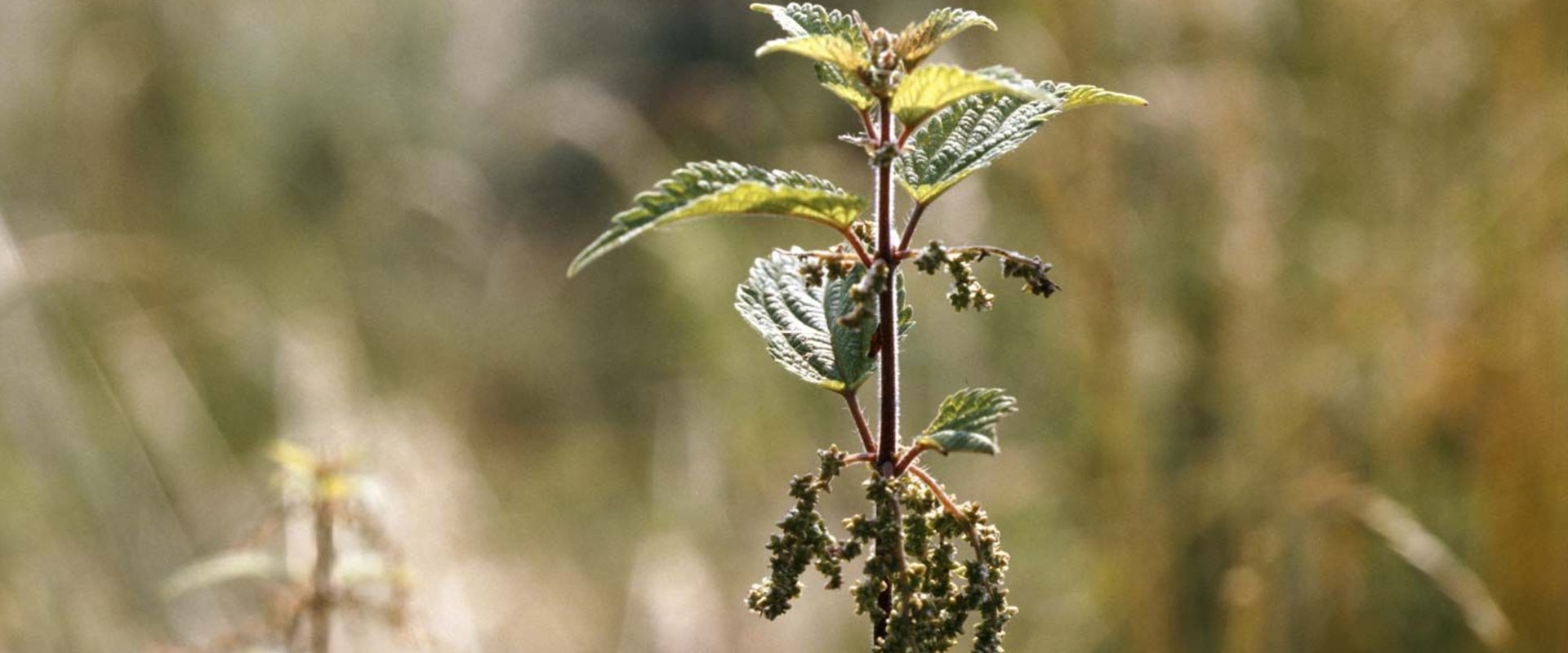
Stinging nettle, scientifically known as Urtica dioica, is a perennial plant that has been utilized for centuries in various cultures around the world. Its historical significance in herbal medicine is profound, with records dating back to ancient Greece and Rome, where it was employed for its numerous health benefits. Traditionally, stinging nettle has been used to treat ailments ranging from arthritis and allergies to urinary issues and respiratory conditions. This rich history sets the stage for a deeper exploration of its potential stinging nettle benefits and the misconceptions that often surround this remarkable plant. Despite its prickly reputation, stinging nettle is a powerhouse of nutrients and bioactive compounds.
The leaves, stems, and roots of the plant are packed with vitamins A, C, K, and several B vitamins, along with essential minerals such as iron, calcium, magnesium, and potassium. These components contribute to its status as a valuable addition to herbal remedies. However, many people remain unaware of the full spectrum of benefits that stinging nettle can offer. This lack of awareness often leads to skepticism about its efficacy and safety. As we delve into the world of stinging nettle, it is crucial to separate fact from fiction.
While some claims may be exaggerated or unfounded, scientific research has begun to validate many of the traditional uses attributed to this plant. From its potential anti-inflammatory properties to its role in supporting urinary health, stinging nettle deserves a closer look. In this article, we will explore the various stinging nettle benefits , address common misconceptions, and provide insights into how this ancient remedy can fit into modern wellness practices.
Understanding Stinging Nettle: The Plant and Its Properties
The stinging nettle, scientifically known as Urtica dioica, is a perennial flowering plant that belongs to the family Urticaceae. This robust plant is native to Europe, Asia, and North America, thriving in temperate regions with moist, nutrient-rich soil.Its ability to grow in a variety of environments, including disturbed areas and along roadsides, makes it a common sight in many landscapes.
Physical Characteristics
- Height: Stinging nettles can reach heights of 3 to 7 feet (1 to 2 meters), depending on the growing conditions.
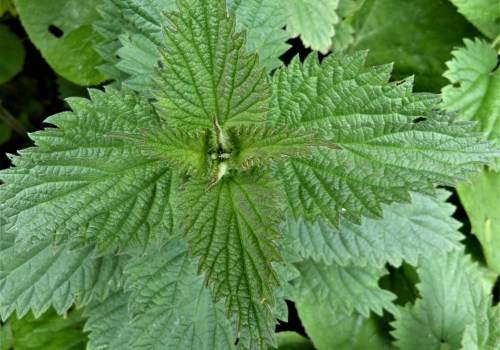
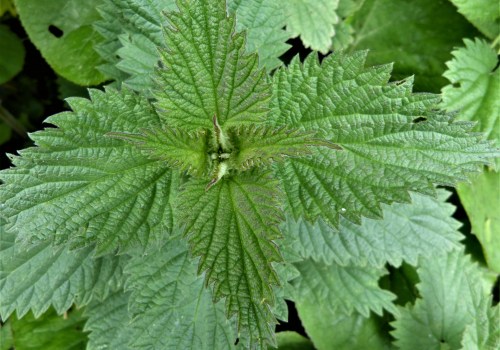
- Leaves: The leaves are serrated and heart-shaped, measuring about 2 to 6 inches long. They are dark green and have a slightly hairy texture.
- Stems: The stems are square-shaped and covered with tiny stinging hairs that contain irritants such as histamine and formic acid, which can cause a painful rash upon contact with skin.
- Flowers: Stinging nettles produce small, greenish flowers that grow in clusters. These flowers bloom from late spring to early fall and are often wind-pollinated.
Chemical Composition
The medicinal properties of stinging nettle are attributed to its rich composition of bioactive compounds. Key components include:
- Vitamins and Minerals: Stinging nettle is packed with vitamins A, C, K, and several B vitamins, along with essential minerals like iron, calcium, magnesium, and potassium.
- Flavonoids: These antioxidants help combat oxidative stress in the body and may contribute to anti-inflammatory effects.
- Phenolic Compounds: Known for their anti-inflammatory properties, these compounds may help alleviate symptoms associated with various health conditions.
- Amino Acids: Stinging nettle contains several amino acids that are vital for protein synthesis and overall health.
Understanding the properties of stinging nettle is crucial for appreciating its potential benefits as a natural remedy.
Nutritional Profile of Stinging Nettle
Stinging nettle, scientifically known as Urtica dioica, is not only recognized for its medicinal properties but also for its impressive nutritional profile. This plant is a powerhouse of essential vitamins and minerals that contribute to its numerous health benefits.Vitamins in Stinging Nettle
- Vitamin A: Stinging nettle is rich in vitamin A, which is crucial for maintaining healthy vision, skin, and immune function. This vitamin also plays a vital role in cellular communication and reproduction.
- Vitamin C: Known for its antioxidant properties, vitamin C in stinging nettle helps protect the body against oxidative stress. It also supports the immune system and aids in collagen production, which is essential for skin health.
-
Vitamin K: This vitamin is important for blood clotting and bone health.
Stinging nettle contains significant amounts of vitamin K, which can help improve bone density and reduce the risk of fractures.
- B Vitamins: Stinging nettle provides several B vitamins, including B1 (thiamine), B2 (riboflavin), B3 (niacin), B5 (pantothenic acid), and B6 (pyridoxine). These vitamins are essential for energy metabolism, brain function, and the synthesis of neurotransmitters.
Minerals in Stinging Nettle
- Iron: One of the standout minerals in stinging nettle is iron, which is vital for the production of hemoglobin. Adequate iron levels help prevent anemia and ensure that oxygen is efficiently transported throughout the body.
- Calcium: Stinging nettle is a good source of calcium, which is essential for maintaining strong bones and teeth. It also plays a role in muscle function and nerve signaling.
-
Magnesium: This mineral supports over 300 biochemical reactions in the body, including energy production, muscle contraction, and nerve function.
Magnesium from stinging nettle can help alleviate muscle cramps and promote relaxation.
- Potassium: Important for maintaining fluid balance and proper muscle function, potassium found in stinging nettle can help regulate blood pressure and support cardiovascular health.
Health Benefits of Stinging Nettle
Stinging nettle, scientifically known as Urtica dioica, has been utilized for centuries in traditional medicine, and modern research is beginning to validate many of its purported health benefits. Among these, its anti-inflammatory properties stand out, making it a popular choice for those seeking natural remedies for various ailments. One of the most significant health benefits of stinging nettle is its potential to alleviate symptoms associated with arthritis. Studies have shown that stinging nettle may help reduce pain and inflammation in individuals suffering from this condition.For instance, a clinical trial involving participants with arthritis demonstrated that applying a cream containing nettle extract significantly decreased pain levels compared to a placebo. This suggests that stinging nettle could be an effective adjunct therapy for managing arthritis symptoms. In addition to its effects on arthritis, stinging nettle is also believed to possess antioxidant properties. Antioxidants are crucial for combating oxidative stress in the body, which can lead to chronic diseases and inflammation. By incorporating stinging nettle into your diet, you may enhance your body's ability to fight off free radicals and reduce the risk of developing inflammatory conditions. Moreover, stinging nettle has been studied for its potential role in supporting urinary health.
Some research indicates that it may help alleviate symptoms of benign prostatic hyperplasia (BPH), a condition that affects many older men. The anti-inflammatory effects of nettle may contribute to reducing urinary discomfort and improving overall bladder function. Another area where stinging nettle shows promise is in its ability to support allergy relief. The plant contains compounds that may inhibit the release of histamines, which are responsible for allergic reactions. This makes stinging nettle a potential natural alternative for those seeking relief from seasonal allergies. While the benefits of stinging nettle are compelling, it is essential to approach its use with caution.
As with any herbal remedy, consulting with a healthcare provider before starting any new treatment is advisable, especially for individuals taking medications or those with underlying health conditions. In summary, the health benefits of stinging nettle are diverse and supported by both traditional use and emerging scientific evidence. From its anti-inflammatory properties and potential arthritis relief to its role in promoting urinary health and alleviating allergy symptoms, stinging nettle is a remarkable plant worth considering as part of a holistic approach to wellness.
Stinging Nettle in Traditional Medicine
Stinging nettle, known scientifically as Urtica dioica, has a rich history in traditional medicine that spans various cultures and centuries. This resilient plant has been utilized for its therapeutic properties, often regarded as a powerful remedy for a multitude of ailments. In ancient times, stinging nettle was a staple in herbal medicine. The Greeks and Romans recognized its benefits, using it to treat conditions such as arthritis and muscle pain.The Roman naturalist Pliny the Elder documented its use, highlighting its effectiveness in alleviating joint discomfort. Similarly, in traditional Chinese medicine, nettle has been employed to promote blood circulation and reduce inflammation. Across Europe, stinging nettle has been a key component of folk remedies. In medieval times, it was commonly used to treat respiratory issues and urinary tract infections. Herbalists would prepare infusions or decoctions from the leaves to harness their medicinal properties.
The plant's high nutrient content, including vitamins A, C, K, and several B vitamins, made it a valuable addition to the diet as well. In addition to its internal uses, stinging nettle has also been applied topically. Folk traditions often involved using the leaves to create poultices for wounds or skin irritations. The plant's natural anti-inflammatory properties were believed to aid in healing and reducing swelling. In North America, indigenous tribes utilized stinging nettle for various purposes. They recognized its potential not only as a food source but also as a remedy for ailments such as fevers and digestive issues.
The leaves were often consumed in teas or cooked as greens. Today, while modern medicine has evolved significantly, the legacy of stinging nettle in traditional practices remains influential. Many herbalists continue to advocate for its use based on historical knowledge and emerging scientific research that supports its benefits. As interest in natural remedies grows, stinging nettle stands out as a testament to the enduring wisdom of traditional medicine.
Scientific Research on Stinging Nettle Benefits
Recent scientific research has increasingly focused on the benefits of stinging nettle (Urtica dioica), revealing a range of potential health advantages. This section summarizes key findings from various studies and clinical trials that explore the efficacy of stinging nettle in treating different health conditions.Anti-Inflammatory Properties
One of the most notable areas of research involves the anti-inflammatory effects of stinging nettle.
A study published in the Journal of Ethnopharmacology demonstrated that nettle extracts could significantly reduce inflammation markers in animal models. The researchers noted that these extracts inhibited the production of pro-inflammatory cytokines, suggesting a potential role for stinging nettle in managing conditions like arthritis and other inflammatory diseases.
Arthritis Pain Relief
Clinical trials have also investigated the use of stinging nettle for alleviating arthritis pain. In a randomized, double-blind study involving 27 participants, those who applied a topical cream containing nettle extract reported a significant reduction in pain compared to those using a placebo. This finding supports traditional uses of stinging nettle as a natural remedy for joint pain and inflammation.
Blood Sugar Regulation
Another area of interest is the potential for stinging nettle to help regulate blood sugar levels.
A study published in Diabetes Care found that participants who consumed nettle leaf extract experienced lower blood glucose levels after meals. While these results are promising, further research is needed to establish definitive conclusions regarding its effectiveness for diabetes management.
Prostate Health
Stinging nettle has also been studied for its effects on prostate health, particularly in men with benign prostatic hyperplasia (BPH). A systematic review highlighted several studies where nettle root extract was shown to improve urinary symptoms associated with BPH. Participants reported improved urinary flow and reduced nighttime urination, indicating that stinging nettle may offer a natural alternative for managing prostate-related issues.
Cautions and Considerations
While the research surrounding stinging nettle is promising, it is essential to approach its use with caution.
Some studies have reported mild side effects such as gastrointestinal discomfort and allergic reactions. Therefore, individuals considering stinging nettle supplements should consult healthcare professionals, especially if they are taking medications or have underlying health conditions. In conclusion, ongoing scientific investigations continue to shed light on the potential Some studies have reported mild side effects such as gastrointestinal discomfort and allergic reactions. Therefore, individuals considering stinging nettle supplements should consult healthcare professionals, especially if they are taking medications or have underlying health conditions. In conclusion, ongoing scientific investigations continue to shed light on the potential health benefits of stinging nettle. As more clinical trials are conducted, we can expect to gain a clearer understanding of how this ancient herbal remedy can be effectively integrated into modern health practices.
Potential Side Effects and Risks of Stinging Nettle
While stinging nettle is celebrated for its numerous health benefits, it is essential to recognize that it may also pose certain risks and side effects. Understanding these potential issues can help users make informed decisions about incorporating this herb into their wellness routines.Common Side Effects
Some individuals may experience mild side effects when using stinging nettle.These can include:
- Gastrointestinal Distress: Some users report symptoms such as stomach upset, diarrhea, or nausea, particularly when consuming nettle in large quantities or in concentrated forms.
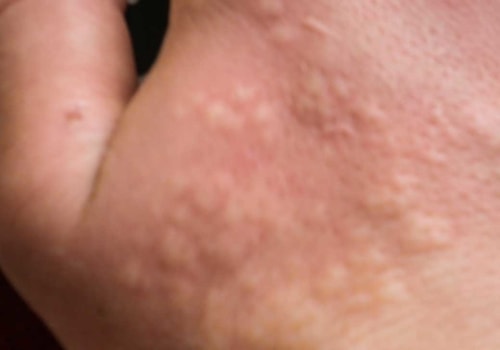
- Skin Reactions: Due to the plant's natural stinging hairs, direct contact with fresh nettle leaves can lead to skin irritation, rashes, or a burning sensation. This reaction is typically temporary but can be uncomfortable.
- Fluid Retention: Stinging nettle may cause mild fluid retention in some individuals, which could be a concern for those with specific health conditions.
Allergic Reactions
Allergic reactions to stinging nettle are possible, especially for individuals who are sensitive to plants in the Urticaceae family. Symptoms of an allergic reaction may include:- Itching and Rash: Some users may develop hives or a rash after touching the plant or consuming nettle products.
- Respiratory Issues: In rare cases, exposure to stinging nettle can trigger respiratory problems such as difficulty breathing or wheezing.
Interactions with Medications
Stinging nettle may interact with certain medications, which can lead to adverse effects. It is crucial for individuals taking medications to consult with a healthcare provider before using stinging nettle.Potential interactions include:
- Blood Thinners: Nettle may enhance the effects of anticoagulant medications, increasing the risk of bleeding.
- Lithium: There is evidence suggesting that stinging nettle can affect lithium levels in the body, potentially leading to toxicity.
- Diuretics: As nettle has diuretic properties, it may amplify the effects of diuretic medications, leading to dehydration or electrolyte imbalances.
How to Use Stinging Nettle Safely and Effectively
Incorporating stinging nettle into your diet or wellness routine can be beneficial, but it’s essential to do so safely and effectively. Here are some practical tips on how to use stinging nettle, including dosage recommendations and preparation methods.Preparation Methods
Stinging nettle can be consumed in various forms, each offering unique benefits:-
Tea: One of the most popular ways to enjoy stinging nettle is by brewing it as a tea. To prepare, steep 1-2 teaspoons of dried nettle leaves in hot water for about 10 minutes.
This method extracts the beneficial compounds while neutralizing the stinging properties.
- Capsules and Tablets: For those who prefer a more convenient option, stinging nettle is available in capsule or tablet form. These supplements typically contain concentrated extracts, making it easier to manage dosage.
- Tinctures: Stinging nettle tinctures are alcohol-based extracts that can be taken directly or added to water. They offer a potent dose of the herb’s active ingredients.
-
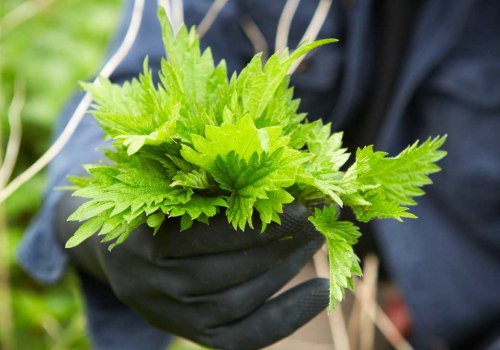
Cooked Greens: Young stinging nettle leaves can be cooked like spinach. Boiling or steaming the leaves removes their sting and makes them safe to eat.
They can be added to soups, stews, or sautéed dishes.
Dosage Recommendations
The appropriate dosage of stinging nettle can vary based on the form used and individual health needs. Here are some general guidelines:- Dried Leaf Tea: 1-2 cups per day is generally considered safe and effective.
- Capsules/Tablets: A common dosage is between 300-600 mg per day, but it’s advisable to follow the manufacturer’s instructions or consult with a healthcare provider.
- Tinctures: Typically, 1-2 ml taken 1-3 times daily is recommended, but again, refer to product guidelines.
Common Myths About Stinging Nettle Debunked
Stinging nettle, known scientifically as Urtica dioica, has been surrounded by a cloud of myths and misconceptions that can obscure its true benefits and uses. Understanding these myths is crucial for anyone considering incorporating this herb into their health regimen.-
Myth 1: Stinging Nettle is Only a Weed
Many people dismiss stinging nettle as just an annoying weed.However, this plant is rich in nutrients, including vitamins A, C, K, and several B vitamins, as well as minerals like iron, calcium, magnesium, and potassium. Its nutritional profile makes it a valuable addition to herbal medicine.
-
Myth 2: Stinging Nettle Causes Severe Allergic Reactions
While it’s true that stinging nettle can cause skin irritation upon contact due to its tiny hairs that inject irritants, most people can handle it safely when prepared correctly. Cooking or drying the leaves neutralizes the sting, allowing for safe consumption. -
Myth 3: Stinging Nettle Has No Real Health Benefits
Contrary to this belief, numerous studies have indicated that stinging nettle may help alleviate symptoms of conditions such as arthritis and seasonal allergies. Its anti-inflammatory properties have been documented in various clinical trials, showing promise in reducing pain and inflammation. -
Myth 4: All Herbal Remedies Are Safe
While many herbal remedies, including stinging nettle, offer health benefits, they are not without risks.It’s essential to consult with a healthcare provider before starting any new herbal treatment, especially for individuals on medications or with pre-existing health conditions.
Conclusion: The Real Value of Stinging Nettle in Health and Wellness
In conclusion, the exploration of stinging nettle benefits reveals a complex interplay between its potential health advantages and the necessary precautions that must be taken when using this powerful plant. As we have discussed, stinging nettle is not merely a nuisance weed; it is a rich source of nutrients and bioactive compounds that can contribute positively to health and wellness. Among the most notable benefits are its anti-inflammatory properties, which have shown promise in alleviating conditions such as arthritis and seasonal allergies. The evidence from various studies suggests that stinging nettle extracts may help reduce pain and inflammation, making it a valuable addition to the arsenal of natural remedies for those suffering from chronic inflammatory conditions. Moreover, stinging nettle is packed with vitamins and minerals, including vitamin C, iron, and magnesium, which can support overall health.Its potential role in managing blood sugar levels also opens up avenues for further research, particularly for individuals with diabetes or those at risk of developing the condition. However, it is crucial to approach the use of stinging nettle with caution. The risk of allergic reactions and side effects such as gastrointestinal discomfort cannot be overlooked. Individuals taking medications, especially those involving lithium or blood thinners, should consult healthcare professionals before incorporating stinging nettle into their regimen. Ultimately, understanding both the benefits and risks associated with stinging nettle empowers individuals to make informed decisions about their health. As with any herbal remedy, moderation and awareness are key.
By recognizing the potential of stinging nettle while remaining vigilant about its limitations, we can harness its benefits safely and effectively. In summary, stinging nettle stands as a testament to nature's ability to provide healing resources. With ongoing research and a balanced perspective on its use, this remarkable plant can play a significant role in enhancing our health and well-being.