Field note
The Power of Nettle: A Comprehensive Guide to Its Healing Benefits
Discover the powerful healing benefits of stinging nettle, from anti-inflammatory properties to blood sugar management and more.
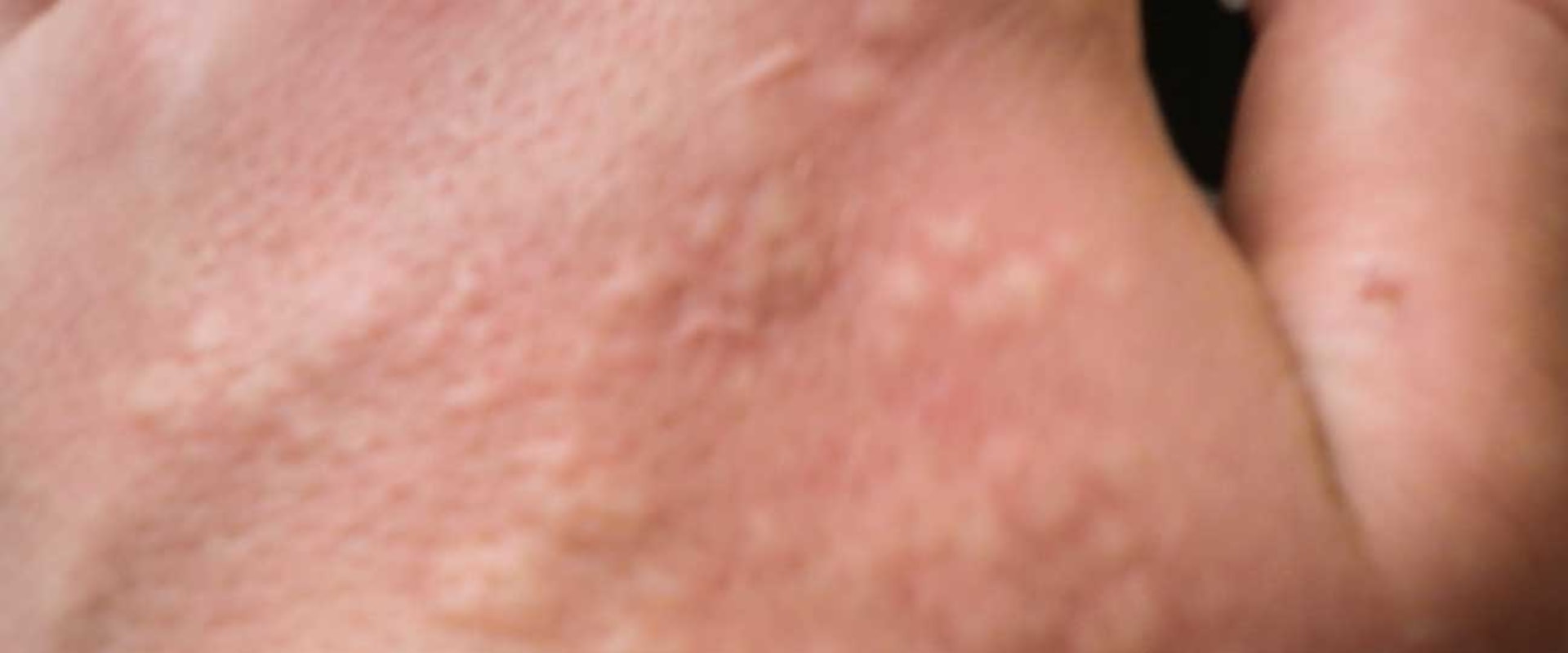
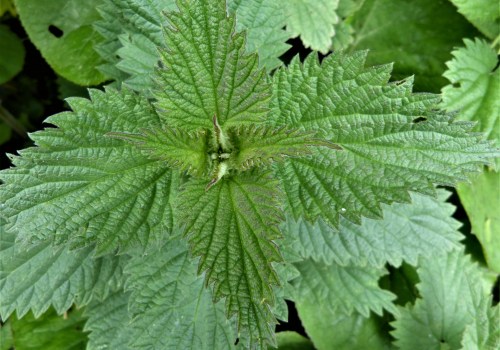
The stinging nettle, scientifically known as Urtica dioica, is a perennial plant that has captivated the attention of herbalists and health enthusiasts for centuries. Often recognized by its serrated leaves and tiny, hair-like structures that deliver a painful sting upon contact, this plant is more than just a nuisance in gardens and fields. Its rich history in traditional medicine highlights its remarkable healing benefits , making it a valuable addition to the herbal pharmacopoeia. Historically, stinging nettle has been utilized across various cultures for its therapeutic properties. Ancient Egyptians used it to treat arthritis, while Roman soldiers reportedly applied it to alleviate muscle pain during their campaigns.
In medieval Europe, nettle was commonly employed as a remedy for ailments ranging from respiratory issues to skin conditions. This long-standing relationship with human health underscores the plant's significance and versatility in herbal medicine. Today, the benefits of stinging nettle are being rediscovered and validated by modern science. Research has shown that nettle possesses potent anti-inflammatory, antioxidant, and antihistamine properties, making it effective for treating a variety of health concerns. From alleviating joint pain associated with arthritis to managing seasonal allergies, the applications of this humble plant are vast and varied. As we delve deeper into the myriad of stinging nettle benefits , it becomes clear that this plant is not merely a relic of the past but a powerful ally in promoting health and well-being.
Whether consumed as a tea, tincture, or supplement, nettle offers an array of healing properties that can enhance our quality of life.
Nutritional Profile of Stinging Nettle
Stinging nettle, or Urtica dioica, is not only renowned for its medicinal properties but also boasts a remarkable nutritional profile that contributes to its health benefits. Understanding the nutritional benefits of stinging nettle is essential for anyone looking to incorporate this powerful herb into their diet. One of the standout features of nettle is its rich vitamin content. It is particularly high in:- Vitamin A: Essential for maintaining healthy vision, skin, and immune function.
- Vitamin C:Vitamin C: A potent antioxidant that supports the immune system and aids in collagen production.
- Vitamin K: Important for blood clotting and bone health.
- B Vitamins: Including B1 (thiamine), B2 (riboflavin), B3 (niacin), B5 (pantothenic acid), B6 (pyridoxine), and B9 (folate), which play crucial roles in energy metabolism and brain function.
- Iron: Vital for the production of red blood cells and preventing anemia.
- Calcium: Essential for strong bones and teeth, as well as muscle function.
- Magnesium: Important for over 300 biochemical reactions in the body, including muscle and nerve function.
- Potassium: Helps regulate fluid balance, muscle contractions, and nerve signals.
- Zinc: Supports immune function, wound healing, and DNA synthesis.
These compounds contribute to its anti-inflammatory and antioxidant properties, making it a valuable addition to a health-conscious diet. The combination of vitamins, minerals, and phytonutrients found in stinging nettle not only enhances its medicinal qualities but also supports overall health. Incorporating nettle into your meals—whether through teas, soups, or supplements—can provide a natural boost to your nutritional intake.
Anti-Inflammatory Properties of Nettle
Stinging nettle, scientifically known as Urtica dioica, has garnered attention for its remarkable anti-inflammatory benefits. This plant has been utilized in traditional medicine for centuries, particularly for its ability to alleviate symptoms associated with inflammatory conditions such as arthritis and chronic pain. Understanding how nettle reduces inflammation can empower individuals seeking natural remedies for their health concerns. One of the primary mechanisms through which nettle exerts its anti-inflammatory effects is by inhibiting the production of pro-inflammatory cytokines.These cytokines are signaling molecules that play a crucial role in the inflammatory response. By reducing their levels, nettle can help mitigate the inflammation that contributes to pain and discomfort in conditions like arthritis. Research has shown that nettle contains several bioactive compounds, including flavonoids and phenolic acids, which possess potent antioxidant properties. These compounds not only combat oxidative stress but also contribute to the reduction of inflammation in the body. For instance, quercetin, a flavonoid found in nettle, has been linked to decreased levels of inflammatory markers in various studies. Moreover, nettle's anti-inflammatory properties extend beyond just joint pain relief.
It has been found effective in treating conditions such as:
- Rheumatoid Arthritis: Nettle may help reduce swelling and stiffness associated with this autoimmune disorder.
- Gout: The plant can assist in lowering uric acid levels, thereby alleviating painful flare-ups.
- Chronic Muscle Pain: Nettle's anti-inflammatory effects can provide relief for those suffering from fibromyalgia or other chronic pain syndromes.
As always, it is advisable to consult with a healthcare professional before incorporating any new herbal remedies into your routine.
Nettle for Allergies and Respiratory Health
Stinging nettle, known scientifically as Urtica dioica, has gained recognition as a powerful natural remedy for allergies and respiratory health. Its effectiveness as a natural antihistamine makes it a popular choice for those seeking relief from seasonal allergies, such as hay fever, which can cause symptoms like sneezing, runny nose, and itchy eyes. One of the primary ways that nettle helps alleviate allergy symptoms is through its ability to inhibit the release of histamines in the body. Histamines are chemicals produced by the immune system during an allergic reaction, leading to inflammation and discomfort. By reducing histamine levels, nettle can help mitigate these unpleasant symptoms. Research has shown that nettle may be particularly effective in treating allergic rhinitis, a common condition characterized by nasal congestion and sneezing due to allergens like pollen or dust mites.A study published in the journal Planta Medica found that participants who took nettle extract experienced significant improvements in their allergy symptoms compared to those who received a placebo. In addition to its antihistamine properties, nettle also possesses anti-inflammatory effects that can benefit respiratory health. Chronic respiratory conditions such as asthma and bronchitis often involve inflammation of the airways, making it difficult to breathe. Nettle's ability to reduce inflammation can help ease these symptoms and improve overall lung function. Moreover, nettle is rich in vitamins and minerals that support respiratory health. It contains vitamin C, which is known for its immune-boosting properties, and other nutrients like magnesium and iron that contribute to overall well-being.
Incorporating nettle into your diet can provide essential nutrients that help maintain a healthy respiratory system. There are several ways to consume nettle for its allergy-relieving benefits:
- Nettle Tea: Brewing nettle leaves in hot water creates a soothing tea that can be enjoyed daily. This method not only provides relief from allergies but also hydrates the body. Brewing nettle leaves in hot water creates a soothing tea that can be enjoyed daily. This method not only provides relief from allergies but also hydrates the body.
- Nettle Capsules: For those who prefer a more concentrated form, nettle supplements are available in capsule form. These can be taken as directed on the packaging for optimal results.
- Nettle Extract: Liquid extracts of nettle can be added to water or smoothies for an easy way to incorporate this herb into your routine.
Nettle's Role in Blood Sugar Management
Managing blood sugar levels is a critical aspect of living with diabetes, particularly for those diagnosed with type 2 diabetes.Recent studies have highlighted the potential of stinging nettle (Urtica dioica) as a natural aid in blood sugar control, making it an appealing option for individuals seeking alternative methods to manage their condition. Research indicates that stinging nettle may help regulate blood sugar levels through several mechanisms:
- Insulin Sensitivity: Some studies suggest that nettle can enhance insulin sensitivity, which is crucial for individuals with type 2 diabetes. Improved insulin sensitivity allows the body to utilize glucose more effectively, thereby lowering blood sugar levels.
- Blood Sugar Regulation: Nettle has been shown to lower fasting blood sugar levels. This effect is particularly beneficial for those who struggle with high morning glucose readings, a common issue among diabetics.
- Reduction of Complications: By managing blood sugar levels, nettle may also help reduce the risk of complications associated with diabetes, such as neuropathy and cardiovascular issues.
It contains vitamins A, C, and K, as well as minerals like magnesium and iron, which can contribute to better metabolic health. The anti-inflammatory properties of nettle may also play a role in reducing insulin resistance, further aiding in blood sugar management. For those interested in incorporating stinging nettle into their diet, it can be consumed in various forms:
- Nettle Tea: Brewing nettle leaves into a tea is a popular method. This not only provides hydration but also delivers the plant's beneficial compounds.
- Nettle Supplements: Available in capsule or extract form, these supplements offer a concentrated dose of nettle's active ingredients.
- Culinary Uses: Cooked nettle can be added to soups, stews, or smoothies, providing both flavor and health benefits.
Heart Health Benefits of Stinging Nettle
Maintaining a healthy heart is crucial for overall well-being, and stinging nettle (Urtica dioica) has emerged as a powerful ally in promoting cardiovascular health.This remarkable plant is not only rich in essential nutrients but also possesses unique properties that can aid in managing cholesterol levels and supporting heart function. One of the primary ways stinging nettle contributes to heart health is through its ability to manage cholesterol levels. Research indicates that nettle may help lower total cholesterol and triglyceride levels while increasing the levels of high-density lipoprotein (HDL), often referred to as "good" cholesterol. This balance is vital, as high levels of LDL (low-density lipoprotein) cholesterol can lead to plaque buildup in the arteries, increasing the risk of heart disease. Moreover, nettle contains a variety of phytochemicals, including quercetin , which has been shown to have lipid-lowering effects. Quercetin acts as an antioxidant, reducing oxidative stress and inflammation in the body, both of which are significant contributors to cardiovascular issues.
By incorporating nettle into your diet, you may harness these benefits to support your heart health. In addition to its cholesterol management capabilities, stinging nettle also supports overall cardiovascular function. The plant is rich in vitamins and minerals such as vitamin C, potassium, and magnesium, all of which play essential roles in maintaining a healthy heart. For instance:
- Vitamin C : This antioxidant helps protect blood vessels from damage and supports the immune system.
- Potassium : Essential for regulating blood pressure, potassium helps maintain proper fluid balance and nerve function.
- Magnesium : This mineral is crucial for muscle function, including the heart muscle, and helps regulate heartbeat.
Additionally, nettle can be added to soups, stews, or smoothies for an extra nutrient boost. While stinging nettle offers numerous heart health benefits, it is essential to consult with a healthcare provider before starting any new supplement or herbal regimen, especially if you have existing health conditions or are taking medications. By understanding the potential of stinging nettle and its role in cardiovascular health, you can take proactive steps toward a healthier heart.
Skin Health and Nettle: A Natural Remedy
Stinging nettle, known scientifically as Urtica dioica, is not only a powerhouse of nutrients but also a remarkable natural remedy for various skin conditions. Its rich composition of vitamins, minerals, and anti-inflammatory properties makes it an excellent choice for promoting skin health and treating common ailments such as acne and eczema. One of the most notable stinging nettle skin benefits is its ability to alleviate acne. Acne is often caused by excess oil production, bacteria, and inflammation.Nettle contains compounds that can help reduce inflammation and inhibit the growth of acne-causing bacteria. When applied topically, nettle extract can help soothe irritated skin, reduce redness, and promote healing.
How to Use Nettle for Acne Relief
- Nettle Tea Rinse: Brew a strong tea using dried nettle leaves. Once cooled, use it as a facial rinse to cleanse the skin and reduce acne flare-ups.
- Nettle Face Mask: Combine nettle powder with honey or yogurt to create a nourishing face mask. Apply it to the affected areas for 15-20 minutes before rinsing off.
-
Nettle Oil Infusion: Infuse nettle leaves in a carrier oil (like olive or coconut oil) for several weeks.
This oil can be applied directly to acne-prone areas to help reduce inflammation.
Using Nettle for Eczema Treatment
- Nettle Compress: Soak a clean cloth in cooled nettle tea and apply it as a compress on affected areas to relieve itching and inflammation.
- Nettle Cream: Look for creams or ointments that contain nettle extract as an active ingredient. These products can provide targeted relief for eczema symptoms.
This will help ensure that you do not have an adverse reaction to the plant. If you experience any irritation or discomfort, discontinue use immediately. Incorporating stinging nettle into your skincare routine can be a natural and effective way to address various skin conditions. Whether you choose to use it in tea form, as an infusion, or in topical applications, the healing properties of nettle can significantly enhance your skin's health and appearance.
How to Use Stinging Nettle: Forms and Dosage
Incorporating stinging nettle into your diet can be both beneficial and enjoyable. This versatile plant can be consumed in various forms, each offering unique advantages.Below, we explore the most popular methods of consumption, including tea preparation and supplement dosages.
Nettle Tea Preparation
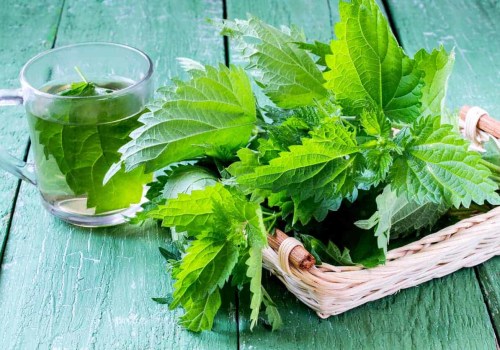
Nettle tea is one of the most common ways to enjoy the health benefits of this remarkable plant. Here’s how to prepare it:- Gather Fresh or Dried Leaves: You can use either fresh stinging nettle leaves or dried ones. If you’re foraging for fresh leaves, wear gloves to avoid irritation from the plant's stinging hairs.
- Boil Water: Start by boiling water in a kettle or pot. The ideal temperature for steeping nettle tea is around 200°F (93°C).
- Add Nettle Leaves: For every cup of water, add about 1 to 2 teaspoons of dried nettle leaves or a handful of fresh leaves.
-
Steep: Allow the leaves to steep for 5 to 10 minutes, depending on how strong you prefer your tea.
The longer you steep, the more potent the flavor and benefits.
- Strain and Serve: Strain the tea into a cup and enjoy it hot. You can add honey or lemon for extra flavor if desired.
Dosage Recommendations for Nettle Supplements
If you prefer taking nettle in supplement form, it’s essential to follow dosage guidelines to maximize its benefits while minimizing any potential side effects. Here are some general recommendations:- Nettle Leaf Capsules: A common dosage is between 300 mg to 600 mg taken two to three times daily. Always check the product label for specific instructions.
- Nettle Extracts: Liquid extracts may vary in concentration; typically, a dose of 1 to 2 mL taken three times a day is recommended.
-
Nettle Tea Bags: If using pre-packaged tea bags, one bag per cup is usually sufficient.
You can drink 1 to 3 cups daily based on your health goals.
Potential Side Effects and Precautions
While the benefits of stinging nettle are numerous, it is essential to be aware of potential side effects and precautions associated with its use. Understanding these factors can help ensure a safe and effective experience when incorporating nettle into your health regimen.Possible Side Effects
Stinging nettle is generally considered safe for most people when consumed in moderate amounts. However, some individuals may experience side effects, including:- Gastrointestinal Issues: Some users report stomach upset, diarrhea, or nausea after consuming nettle. These symptoms are often mild and can be alleviated by reducing the dosage.
-
Allergic Reactions: Although rare, some individuals may have an allergic reaction to nettle.
Symptoms can include hives, itching, or difficulty breathing. If you experience any of these symptoms, discontinue use immediately and seek medical attention.
- Skin Irritation: When handled raw, the leaves of stinging nettle can cause skin irritation due to their tiny, hair-like structures that release histamines. Always wear gloves when handling fresh nettle.
- Blood Pressure Changes: Nettle may lower blood pressure; therefore, individuals taking antihypertensive medications should consult a healthcare provider before using nettle to avoid potential interactions.
Precautions When Using Nettle
To maximize the benefits of stinging nettle while minimizing risks, consider the following precautions:- Consult a Healthcare Provider: Before starting any new supplement or herbal remedy, it is advisable to consult with a healthcare professional, especially if you have pre-existing health conditions or are pregnant or breastfeeding.
- Avoid Raw Consumption: While cooked nettle is safe to eat and retains its nutritional benefits, consuming raw nettle can lead to irritation and discomfort. Always cook or steep nettle before consumption.
-
Monitor Dosage: Start with a small dose to assess your body's response before gradually increasing it.
This approach helps identify any adverse reactions early on.
Who Should Avoid Stinging Nettle?
Certain individuals should exercise caution or avoid stinging nettle altogether:- Pregnant or Breastfeeding Women: There is insufficient research on the safety of stinging nettle during pregnancy and lactation. It is best to err on the side of caution.
- Individuals with Allergies: Those with known allergies to plants in the Urticaceae family should avoid stinging nettle.
- People with Kidney Issues: Nettle may affect kidney function; thus, those with kidney disease should consult their doctor before use.
Conclusion: Embracing the Healing Power of Nettle
In conclusion, the myriad benefits of stinging nettle make it a remarkable addition to any natural health regimen. From its ancient use in traditional medicine to modern scientific validation, nettle has proven itself as a powerful ally in promoting overall wellness. Its anti-inflammatory properties can provide relief for those suffering from conditions like arthritis and chronic pain, while its ability to act as a natural antihistamine offers hope for individuals battling seasonal allergies. Moreover, nettle's role in managing blood sugar levels and supporting heart health cannot be overlooked.The presence of beneficial compounds such as quercetin not only aids in cholesterol management but also contributes to the plant's antioxidant properties, which are essential for combating oxidative stress in the body. As we have explored, nettle is not just a weed; it is a treasure trove of nutrients and healing properties. Whether consumed as a tea, taken in supplement form, or incorporated into meals, nettle can enhance your health in various ways. Its rich nutrient profile, including vitamins A, C, K, and several B vitamins, along with essential minerals like iron and calcium, makes it an excellent choice for those looking to boost their nutritional intake. For anyone considering adding nettle to their wellness routine, it is crucial to approach it with mindfulness. While generally safe for most individuals, some may experience sensitivities.
Consulting with a healthcare provider before starting any new supplement is always advisable. In summary, embracing the healing power of nettle can lead to significant improvements in health and well-being. As more people turn to natural remedies for their health needs, stinging nettle stands out as a versatile and effective option worth exploring. By integrating this remarkable plant into your daily life, you may unlock its full potential and enjoy the numerous benefits it has to offer.