Field note
The Dangers of Nettle: Who Should Avoid It?
Discover who should avoid stinging nettle and the potential risks associated with its use. Learn about its benefits and safety precautions.
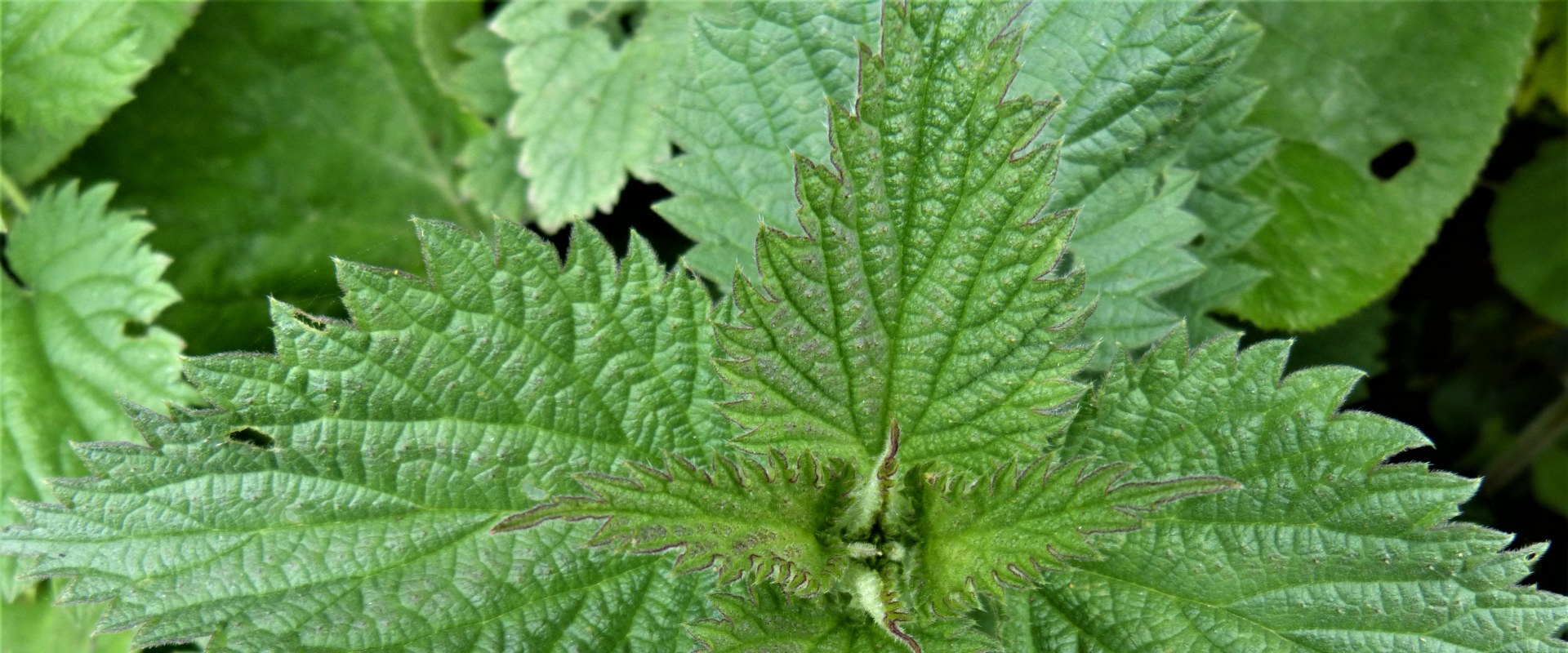
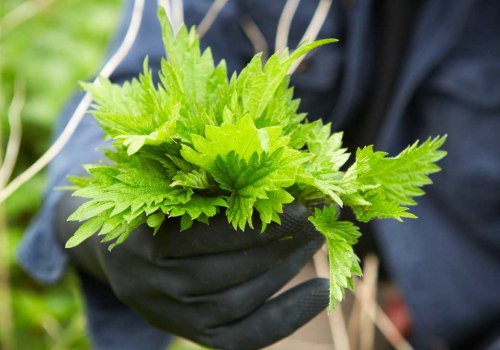
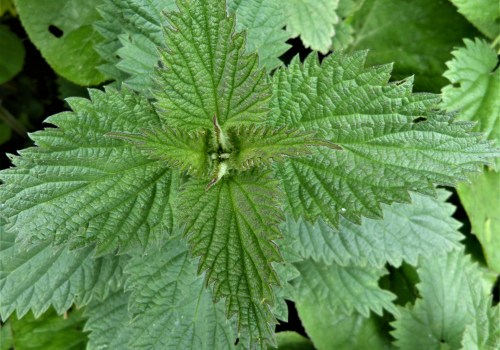
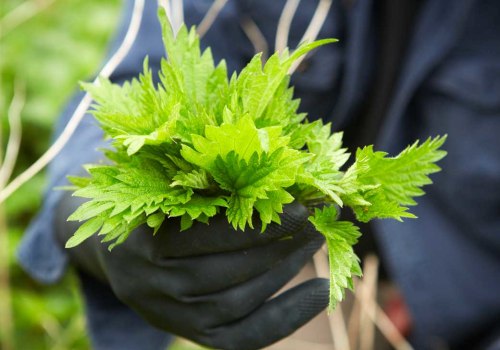
Stinging nettle, scientifically known as Urtica dioica, is a perennial plant that has been utilized for centuries in traditional medicine and culinary practices. Often found in damp, nutrient-rich soils, this remarkable herb is recognized not only for its distinctive stinging hairs but also for its impressive nutritional profile. Rich in vitamins A, C, K, and several B vitamins, as well as minerals like iron, calcium, magnesium, and potassium, nettle is a powerhouse of nutrients that can contribute to overall health. The health benefits of nettle are extensive and varied. Many people turn to this herb for its anti-inflammatory properties, which can help alleviate symptoms associated with conditions such as arthritis and allergies.
Additionally, nettle is often praised for its potential to support urinary tract health and promote kidney function. Some studies suggest that it may even play a role in managing blood sugar levels and improving cardiovascular health by supporting healthy blood pressure. Beyond its medicinal uses, stinging nettle is also a culinary delight. Young leaves can be harvested and cooked to create nutritious soups, teas, or even pesto. This versatility makes nettle an appealing option for those looking to enhance their diet with natural ingredients.
However, despite its many stinging nettle benefits, it is crucial to approach this herb with caution. Understanding who should avoid it is just as important as recognizing its advantages.
Who Should Avoid Stinging Nettle?
While stinging nettle is celebrated for its numerous health benefits, it is crucial to recognize that certain individuals should refrain from using this plant due to potential risks. Understanding who should avoid stinging nettle can help prevent adverse effects and ensure safety.Pregnant Individuals
One of the primary groups advised against consuming stinging nettle is pregnant women. The lack of comprehensive research on the effects of nettle during pregnancy raises concerns about its safety.Some studies suggest that nettle may stimulate uterine contractions, which could pose risks during pregnancy. Therefore, it is best for expectant mothers to avoid nettle in all forms, including teas and supplements.
Children Under 12
Another demographic that should exercise caution is children under the age of 12. There are no established safety guidelines regarding the use of stinging nettle in young children. Their developing bodies may react differently to herbal remedies, and without sufficient research, it is prudent to avoid introducing nettle into their diets.Individuals with Allergies
If you have a known allergy or sensitivity to stinging nettle or related plants, such as mint, sage, or lavender, it is essential to steer clear of this herb. Allergic reactions can range from mild skin irritations to severe anaphylactic responses, making it vital for those with sensitivities to avoid contact and consumption.People with Certain Medical Conditions
Individuals with specific medical conditions should also consult a healthcare professional before using stinging nettle.For instance:
- Kidney Issues: Nettle may have diuretic properties, which could exacerbate kidney problems.
- Diabetes: Nettle can affect blood sugar levels; thus, those with diabetes should monitor their blood sugar closely if they choose to use it.
- Blood Disorders: Nettle may influence blood clotting; individuals with bleeding disorders or those on anticoagulant medications should avoid it.
Pregnant Individuals and Stinging Nettle
When it comes to the consumption of stinging nettle, pregnant individuals should exercise caution. The primary concern lies in the insufficient research regarding the effects of nettle on pregnancy.While nettle is often praised for its numerous health benefits, its safety during this critical period remains largely unverified. One of the main reasons for this caution is that nettle may have uterine-stimulating properties. Some studies suggest that certain compounds found in nettle could potentially lead to contractions or other complications during pregnancy. This is particularly concerning in the early stages when the risk of miscarriage is higher. Therefore, it is advisable for pregnant women to avoid consuming nettle in any form, including nettle tea. Moreover, the lack of comprehensive studies means that we do not fully understand how nettle interacts with the hormonal changes that occur during pregnancy.
Pregnant individuals experience a unique physiological state, and substances that are generally safe may not be suitable during this time. For instance, while nettle is known for its anti-inflammatory and diuretic properties, these effects could pose risks to both the mother and the developing fetus. Additionally, pregnant women often face increased sensitivity to various substances due to hormonal fluctuations. This heightened sensitivity can lead to unexpected reactions, making it even more crucial to avoid herbal remedies like nettle that have not been thoroughly studied in this context. In summary, while stinging nettle offers various health benefits for many individuals, pregnant women should prioritize their safety and well-being by steering clear of this herb. Consulting with a healthcare provider before introducing any new herbal remedies into their diet is essential for ensuring a healthy pregnancy.
Children and Stinging Nettle: A Cautionary Approach
When considering the use of stinging nettle as a herbal remedy, it is essential to approach its consumption with caution, especially for children under the age of 12. While nettle is celebrated for its numerous health benefits, the safety of this plant for young individuals remains a topic of concern. Currently, there are no established guidelines or comprehensive studies that specifically address the safety of nettle for children.This lack of research raises important questions about potential risks associated with its use in younger populations. Parents and caregivers should be particularly vigilant, as children's bodies are still developing and may react differently to herbal substances compared to adults. Some potential health risks associated with stinging nettle in children include:
- Allergic Reactions: Children may have undiagnosed allergies or sensitivities to nettle or related plants. Symptoms can range from mild skin irritations to more severe reactions.
- Digestive Issues: Nettle can cause gastrointestinal discomfort, including nausea or diarrhea, which may be more pronounced in children.
- Medication Interactions: If a child is taking any medications, nettle could potentially interfere with their effectiveness or exacerbate side effects.
Options such as chamomile, ginger, and peppermint have long histories of use and are generally regarded as safe for younger individuals when used appropriately. In conclusion, while stinging nettle offers various health benefits, its use in children should be approached with caution. The absence of official safety guidelines necessitates careful consideration and professional guidance to ensure the well-being of young users.
Medical Conditions That May Interact with Nettle
While stinging nettle is celebrated for its numerous health benefits, it is essential to recognize that certain medical conditions may be adversely affected by its consumption. Understanding these interactions can help individuals make informed decisions about incorporating nettle into their diets.1.Blood Pressure Issues
Nettle has been known to have a mild diuretic effect, which can lower blood pressure. For individuals already taking antihypertensive medications or those with naturally low blood pressure, consuming nettle could lead to dangerously low levels.
It is crucial for these individuals to consult with a healthcare provider before using nettle.
2.Diabetes
Stinging nettle may influence blood sugar levels, potentially lowering them. For those managing diabetes, especially those on insulin or other glucose-lowering medications, the addition of nettle could result in hypoglycemia (low blood sugar). Regular monitoring of blood sugar levels and consultation with a healthcare professional is advisable.
3.Kidney Disorders
Nettle is often used to support kidney health; however, for individuals with existing kidney conditions, the diuretic properties of nettle may exacerbate their situation. Increased urination can lead to dehydration and electrolyte imbalances, making it vital for those with kidney issues to avoid nettle unless supervised by a healthcare provider.
4.Allergies and Sensitivities
Individuals with known allergies to plants in the Urticaceae family, which includes stinging nettle, should avoid its use entirely.
Symptoms of an allergic reaction can range from mild skin irritations to severe anaphylactic responses. If you have a history of allergies to similar plants, it is best to steer clear of nettle.
5.Hormonal Conditions
Nettle may have estrogenic effects, which could interfere with hormonal balance in individuals with conditions such as endometriosis or hormone-sensitive cancers. Those affected by these conditions should consult their healthcare provider before considering nettle as a supplement.
In summary, while stinging nettle offers various nutritional benefits, it is crucial for individuals with specific medical conditions or those taking certain medications to approach its use cautiously. Always seek guidance from a healthcare professional to ensure safety and efficacy when incorporating new herbal remedies into your health regimen.
Allergies and Sensitivities to Stinging Nettle
Stinging nettle, while celebrated for its numerous health benefits, can also pose significant risks for individuals with allergies or sensitivities.Understanding these potential reactions is crucial for anyone considering incorporating this plant into their diet or herbal regimen.
Recognizing Nettle Allergies
Allergic reactions to stinging nettle can manifest in various ways, and it is essential to be aware of the symptoms. Common signs of an allergy may include:
- Skin Reactions: Hives, rashes, or severe itching can occur upon contact with the plant.
- Respiratory Issues: Symptoms such as sneezing, nasal congestion, or difficulty breathing may arise, particularly in individuals with pre-existing respiratory conditions.
- Gastrointestinal Distress: Nettle consumption can lead to nausea, vomiting, or diarrhea in sensitive individuals.
Sensitivity to Related Plants
Individuals who are allergic to stinging nettle may also have sensitivities to other plants within the same family, such as:
- Mints (e.g., peppermint and spearmint)
- Sage
- Lavender
- Other members of the Urticaceae family
Avoiding Exposure
For those with known allergies or sensitivities, avoiding stinging nettle is the safest course of action. Here are some practical tips:
- Read Labels: Always check product labels for nettle extracts or ingredients derived from stinging nettle.
- Avoid Wild Foraging: If you enjoy foraging for wild plants, be cautious and ensure you can accurately identify stinging nettle.
- Consult a Healthcare Professional: Before trying any new herbal remedies, especially if you have a history of allergies, consult with a healthcare provider.
Potential Side Effects of Stinging Nettle
While stinging nettle is celebrated for its numerous health benefits, it is essential to recognize that it can also lead to various side effects, particularly when consumed in excess or by certain individuals. Understanding these potential adverse effects is crucial for anyone considering incorporating this herb into their wellness routine.Common Side Effects
- Gastrointestinal Issues: Some individuals may experience digestive discomfort, including nausea, diarrhea, or stomach cramps after consuming nettle.
These symptoms are often mild but can be bothersome.
- Skin Reactions: Although nettle is used to treat skin conditions, it can paradoxically cause skin irritation in some people. This may manifest as rashes or allergic reactions, particularly in those sensitive to plants in the same family.
- Blood Pressure Changes: Nettle has been known to affect blood pressure levels. While it may lower blood pressure in some cases, it can also lead to hypotension (low blood pressure) if taken in large amounts or combined with other blood pressure medications.
Who Should Exercise Caution?
Certain groups of people should be particularly cautious when considering nettle:
- Individuals on Medications: Nettle can interact with various medications, including blood thinners and diuretics. If you are taking any prescription drugs, consult your healthcare provider before using nettle.
- Pregnant and Nursing Women: Due to insufficient research on the effects of nettle during pregnancy and lactation, it is advisable for pregnant or nursing women to avoid this herb.
- People with Allergies: Those with known allergies to nettle or related plants should steer clear of this herb to prevent severe allergic reactions.
What Happens If You Take Too Much Nettle?
Excessive consumption of stinging nettle can lead to more severe side effects.
High doses may result in:
- Kidney Issues: Nettle has diuretic properties, which can strain the kidneys if taken in large quantities over time.
- Electrolyte Imbalance: Due to its diuretic effects, excessive nettle consumption may lead to an imbalance of electrolytes in the body, potentially causing muscle cramps or weakness.
Consulting Healthcare Professionals: A Key Step Before Use
Before incorporating stinging nettle into your health regimen, it is crucial to consult with a healthcare professional. This step is essential for anyone considering the use of herbal remedies, as individual health conditions and medications can significantly influence how a person may react to nettle. Herbal remedies, including nettle, can interact with prescription medications, potentially leading to adverse effects. For instance, nettle may affect blood sugar levels, which could be problematic for individuals taking diabetes medications.Similarly, those on anticoagulants should be cautious, as nettle has blood-thinning properties that could enhance the effects of these drugs. Moreover, individuals with pre-existing health conditions such as kidney disorders or heart issues should seek personalized advice from their healthcare provider. Nettle can have diuretic effects, which may not be suitable for everyone. A healthcare professional can provide tailored guidance based on your medical history and current health status. It is also important to consider age and specific life stages when discussing the use of nettle. Pregnant women and nursing mothers should avoid nettle due to insufficient research on its safety during these periods.
Consulting a doctor can help clarify any concerns regarding the potential risks associated with herbal supplements during pregnancy. In addition to discussing personal health conditions, it is wise to inform your healthcare provider about any other supplements or herbal products you are currently using. This comprehensive approach ensures that all aspects of your health are considered, minimizing the risk of negative interactions. In summary, while stinging nettle benefits are well-documented, the importance of consulting a healthcare professional cannot be overstated. They can help you navigate the complexities of herbal remedies and ensure that your approach to health is both safe and effective.
<strong>Conclusion</strong>
In summary, while stinging nettle is often celebrated for its numerous health benefits, it is crucial to recognize that it is not suitable for everyone. The potential risks associated with its consumption can outweigh the advantages for certain individuals.Understanding who should avoid this plant is essential for making informed health decisions. Firstly, pregnant women should exercise caution and refrain from using nettle products. The lack of comprehensive research on the effects of nettle during pregnancy raises concerns about its safety for both the mother and the developing fetus. Similarly, children under the age of 12 are advised against consuming nettle due to the absence of established safety guidelines. Moreover, individuals with pre-existing medical conditions or those taking specific medications must consult a healthcare professional before incorporating nettle into their diet. Nettle can interact with various medications, potentially leading to adverse effects or exacerbating existing health issues.
For instance, those on blood thinners or diuretics should be particularly cautious. Additionally, anyone with known allergies or sensitivities to nettle or related plants—such as mint, sage, and lavender—should avoid stinging nettle altogether. Allergic reactions can range from mild to severe and may include symptoms such as skin rashes, respiratory issues, or gastrointestinal distress. Ultimately, while the benefits of stinging nettle are well-documented, it is imperative to prioritize safety and individual health circumstances. Consulting with a healthcare provider can help determine whether nettle is a suitable addition to your wellness routine. By being informed and cautious, you can enjoy the advantages of herbal remedies without compromising your health.